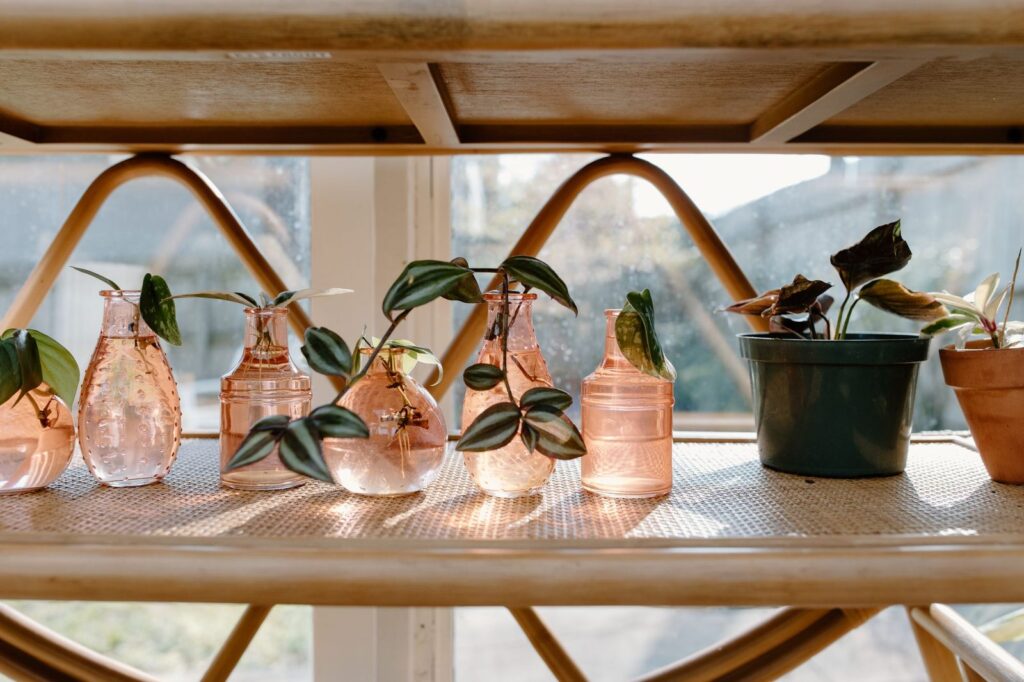
One of the cheapest ways to increase your indoor plant collection is by rooting a cutting in a jar of water on a sunny windowsill. Cut off a piece of stem, drop it in a glass and wait. In just a couple of weeks, you can see white roots curling from the cut end of the stem. No messy potting mix to get everywhere, and no wondering if it’s time to water again.
Not all plants cooperate, however, and “grows in water” can mean two very different things. For the majority of the plants listed below, water serves as a medium for the plant to develop its roots before being potted up. Some can remain in water indefinitely with a little assistance. The type, how to propagate the plant, and toxicity for pets are included in each profile.
(THIS POST MAY CONTAIN AFFILIATE LINKS. YOU CAN READ OUR FULL DISCLOSURE POLICY HERE.)
What “Growing in Water” Really Means
According to university horticulture experts, water is good enough for cuttings that are easy to root. As the Virginia Cooperative Extension notes, water “works quite well for some species which root easily,” as long as you change it. They also point out that because roots that form in water are built differently from roots that form in soil, a cutting might sulk for a while after you pot it.
Just two plants on this list have experts who swear they’ll do just fine living in water forever. Lucky bamboo is probably the most famous, and according to the University of Missouri Extension, Chinese evergreen “may be rooted or grown in water.” Every other plant on this list will happily root in a jar and survive there for weeks, even months, but it will be healthier when you transfer it to soil. A University of Maryland Extension writer whose pothos lived in a jar for years acknowledged that it “survived but it didn’t thrive.”
But that doesn’t mean you shouldn’t try water rooting. It’s inexpensive, easy to monitor, and a nice way to revive a stretched-out plant or give a cutting of a treasured plant to a friend. Think of the jar as a nursery pot, not a permanent pot, unless your plant happens to be one of these.
How to Root a Cutting in Water
This procedure is nearly identical for almost all plants we grow here. These instructions are adapted from the University of Maryland Extension, Iowa State University Extension, and Montana State University Extension.
- Take a healthy, nonflowering stem and cut a 3- to 5-inch piece just below a node, which is where the leaves connect to the stem. Because new roots grow from these nodes, anything cut without them usually ends up rotting.
- Strip the lower leaves so there’s no foliage below the water. Leave some of the leaves above the water so the stem is able to continue photosynthesis.
- Place the cutting upright in a clean glass or jar filled with room-temperature tap water, making sure that there’s at least one node below the surface.
- Place the jar in a bright place, but not one that receives hot, direct sunlight. An east-facing window would be perfect. The warmer the air (around 70°F), the faster the process.
- Change the water once a week or more often if it gets cloudy.
- When the roots are approximately 1-2 inches long, pot the cutting. If you wait too long, this will be difficult.
The weekly water change is important. According to the Virginia Cooperative Extension, the oxygen levels in the vase’s water drop when it goes stale and that slows down the roots. The CDC recommends that you empty and wash your vases every week since mosquitoes that find their way inside may drop eggs in the stagnant water.
Tip: Pothos, coleus, and tradescantia (among other easy-rooting plants) don’t need rooting hormone. University of Missouri Extension reserves hormone use for more difficult plants, and most extension advice about hormone is geared toward rooting cuttings in soil or perlite instead of in water.
Clear glass lets you watch the roots grow, which is half the fun. The other disadvantage is algae, and algae loves light. If the inside of your jar starts getting green, just clean it off the next time you change the water, or use colored or frosted glass instead. Montana State University Extension explains that if the jar is opaque, your plant’s roots will be in the dark and only its leaves will get light.
20 Plants That Grow in Just Water
This list begins with the easiest trailing houseplants and then progresses toward slower-growing and more finicky options. The last few recommendations are herbs and flowering plants. This isn’t a ranked list; it’s meant to be helpful to newbies.
1. Pothos
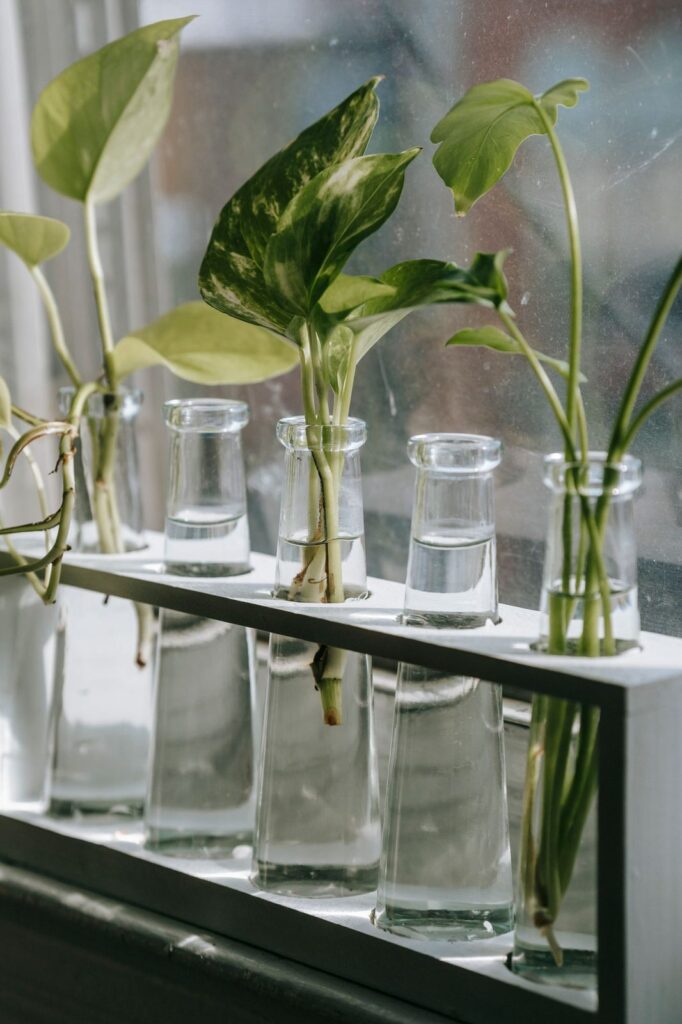
Golden pothos (Epipremnum aureum) is the plant most beginners start with, and for good reason. NC State Extension writes that vines root readily in water. Simply take a cutting with at least one node, strip the leaf closest to the cut, and put it in a jar of water. According to the University of Wisconsin, vines will root within three to four weeks at warm temperatures.
Pothos can handle lower light than most of the plants on this list. Variegated pothos will fade and lose some of its gold or white variegation if kept in too-dark a room. If you want a bushier look, plant several cuttings in one pot when the roots fill out. Pothos is toxic to cats and dogs.
2. Heartleaf Philodendron
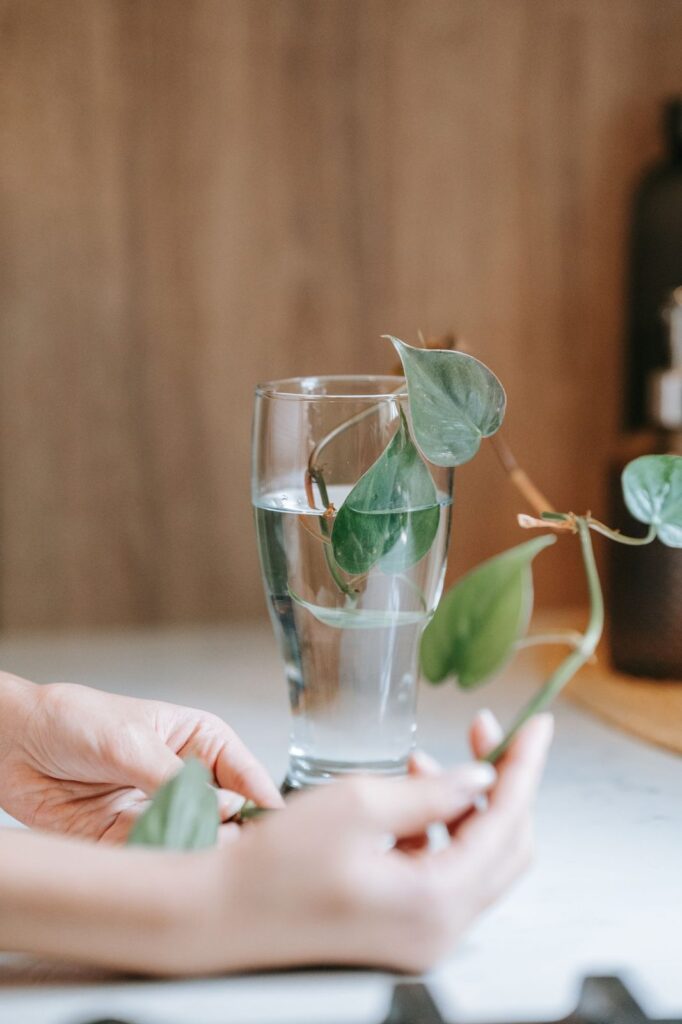
The heartleaf philodendron (Philodendron hederaceum) closely resembles pothos, but has thinner, softer leaves that are heart-shaped. Texas A&M AgriLife includes the plant in its list of easiest plants to propagate in plain water. Take cuttings just below the node, and keep the leaves out of the water. According to a University of Nevada fact sheet, roots on certain types of philodendrons can begin to form within 10 days.
It tolerates medium to low light, so it makes a good north or east window plant. Texas A&M suggests that once rooted, move cuttings into separate pots. Like pothos, it is toxic to cats and dogs.
3. Spider Plant
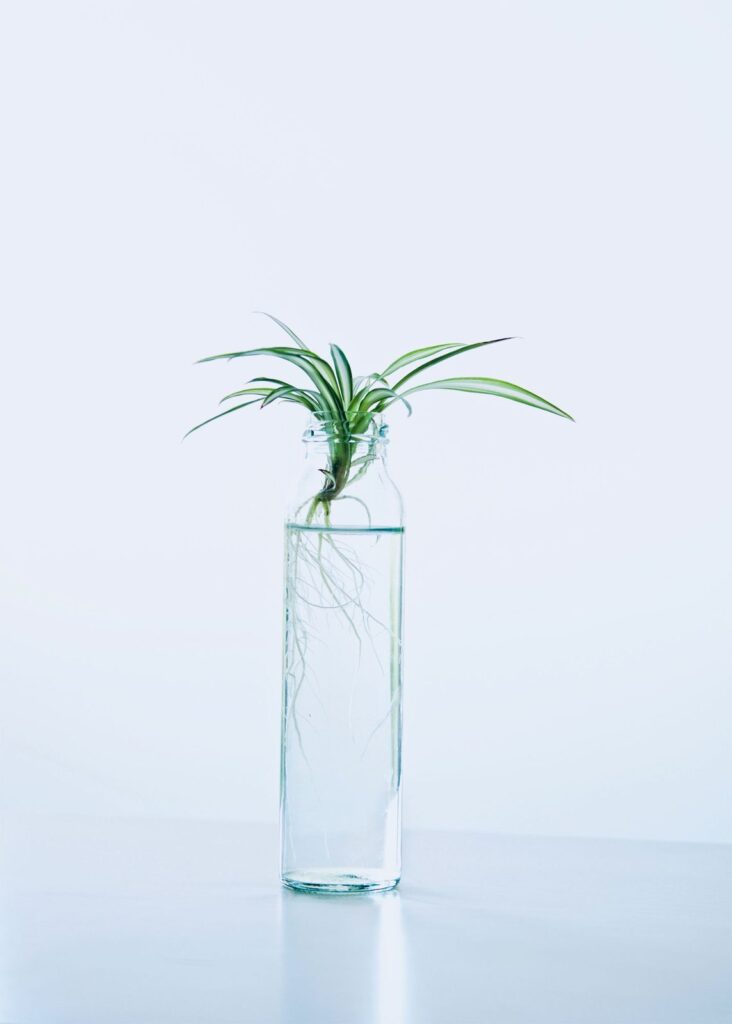
Spider plants (Chlorophytum comosum) make this simple: They grow little baby plants at the end of long runners. Just snip off one of the plantlets (ideally with some tiny root nubs visible) and set the base of the plantlet into a tall glass or narrow jar of water. The University of Saskatchewan says that they readily form roots this way, and can be potted up when the roots grow.
Fluoride and chlorine in tap water can make the tips of your spider plant’s leaves turn brown (NC State Extension), but switching to rainwater or distilled water can help. Don’t place the jar in direct sunlight, where heat can build up inside. The plant is also non-toxic to cats and dogs.
4. Snake Plant
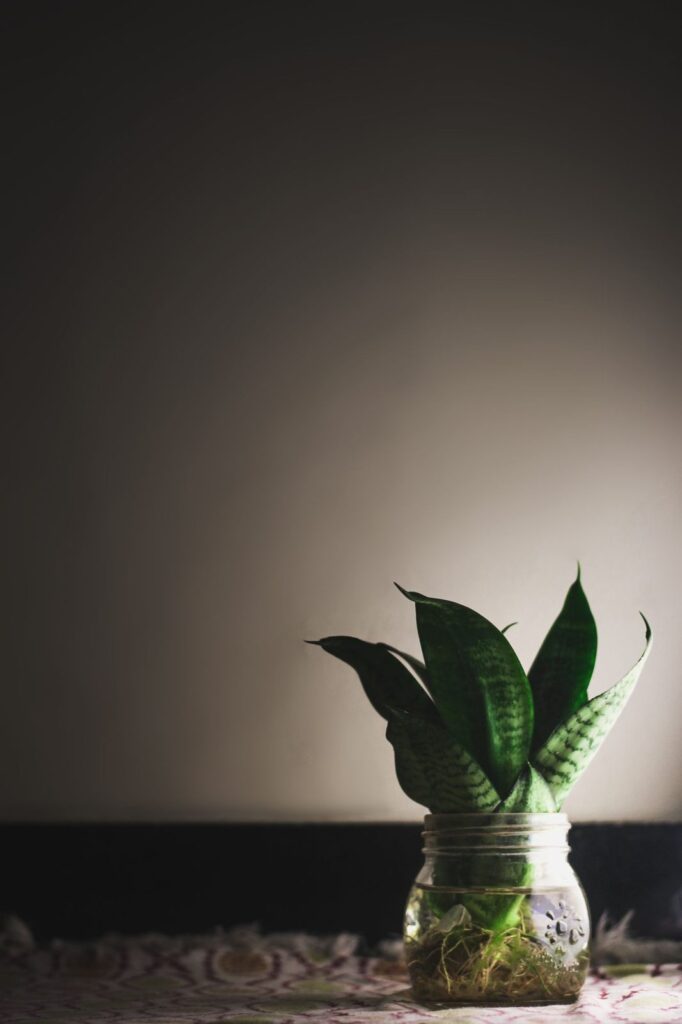
The roots of snake plant (Dracaena trifasciata, formerly Sansevieria) can grow from pieces of the leaves. This feels like something out of magic. Cut a leaf crosswise into pieces roughly 2 inches long, and note which end of each piece was lower. Texas A&M warns that pieces stood upside down will not root. The UConn Home & Garden Education Center says that leaf sections can root in water, provided you change the water frequently.
It’s a very slow, very patient project, and the cuttings can rot if kept too wet. (One caveat: A yellow-edged snake plant propagated from a leaf cutting will generally return to being plain green, says Virginia Cooperative Extension.) If you want to retain the stripes, divide the parent plant. The plant is toxic to cats and dogs.
5. Monstera Adansonii
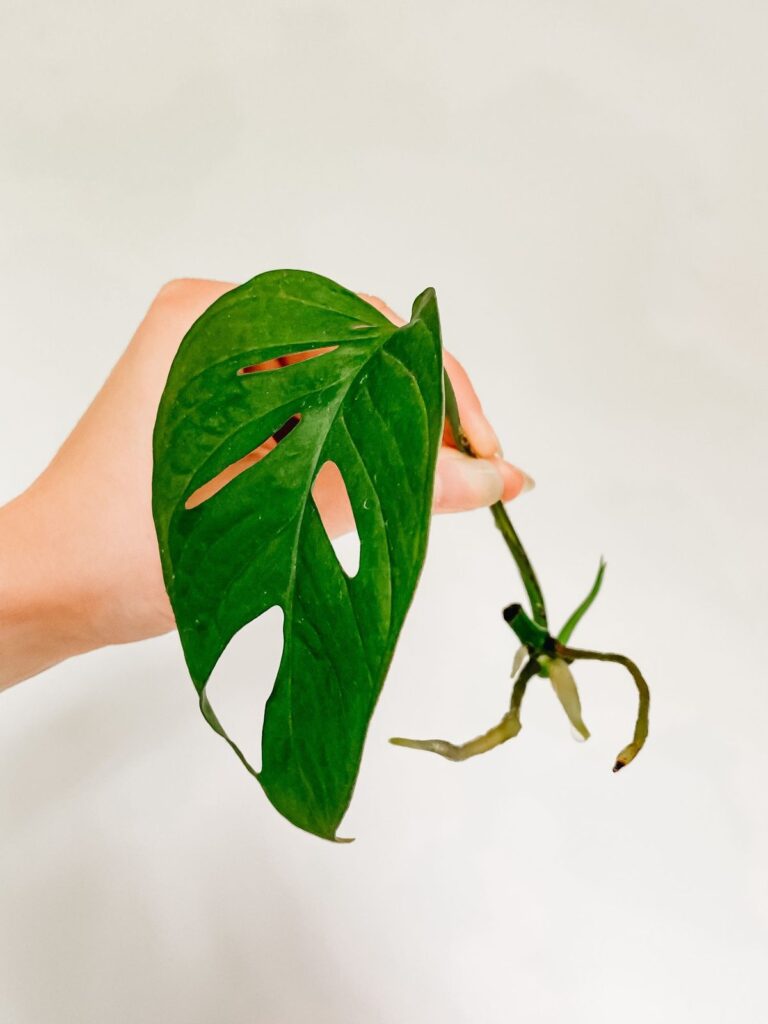
Swiss cheese vine (Monstera adansonii) also has those same holey leaves, only on a trailing vine that will fit in your window. And for the Swiss cheese vine, as with many other vining plants, it’s all about the node. A horticulturist at the New England Botanic Garden says to cut just below a node and trim the piece down to 4 or 5 inches, and reports success with just sticking a cutting into some water.
The same expert also cautions not to let the cutting stay in water for too long once you see roots forming, so be prepared to pot it up at that point. Provide the plant with bright, indirect light, and shield it from cold drafts. Per UF/IFAS Extension, all monstera species are toxic to cats, dogs, and humans.
6. ZZ Plant
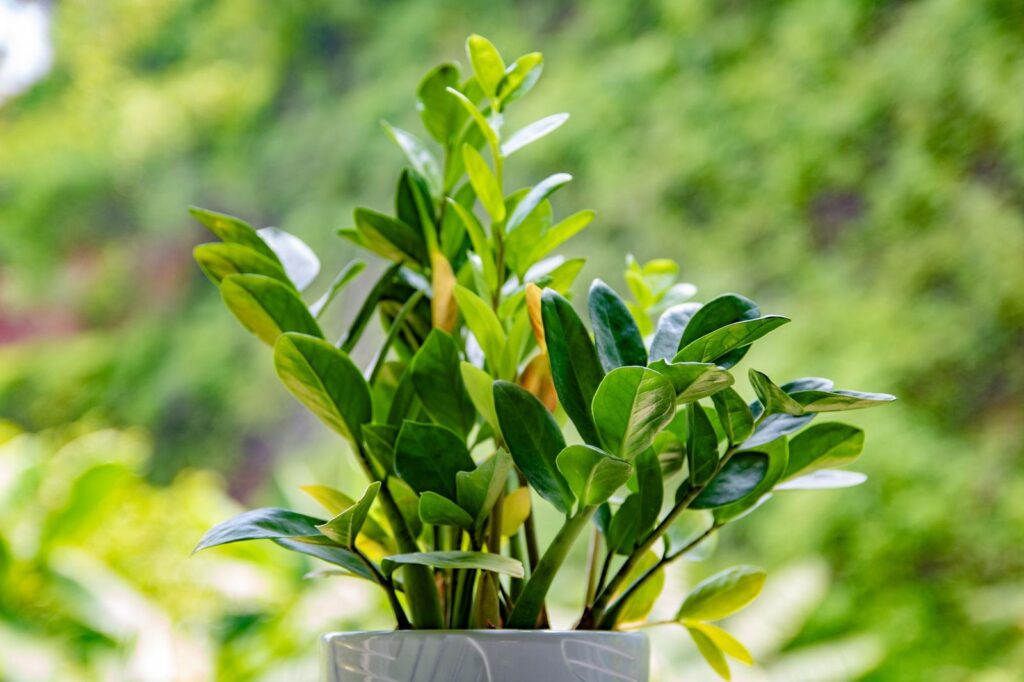
Then there’s the ZZ plant (Zamioculcas zamiifolia), the slowpoke of the bunch. The University of Illinois Extension says you should cut individual leaves (with their short stems) and let the cut end dry out for a few days, then set it in a shallow container of water. Roots will form first, then a small potato-like rhizome.
It may take a few months to see anything happen. Illinois Extension suggests that when roots and a rhizome develop, the cutting should be transferred to soil because ZZ plants don’t like to remain wet. Bright, indirect light and warm air help. Illinois Extension also notes that all parts of the ZZ plant are poisonous, so keep it away from pets.
7. Lucky Bamboo
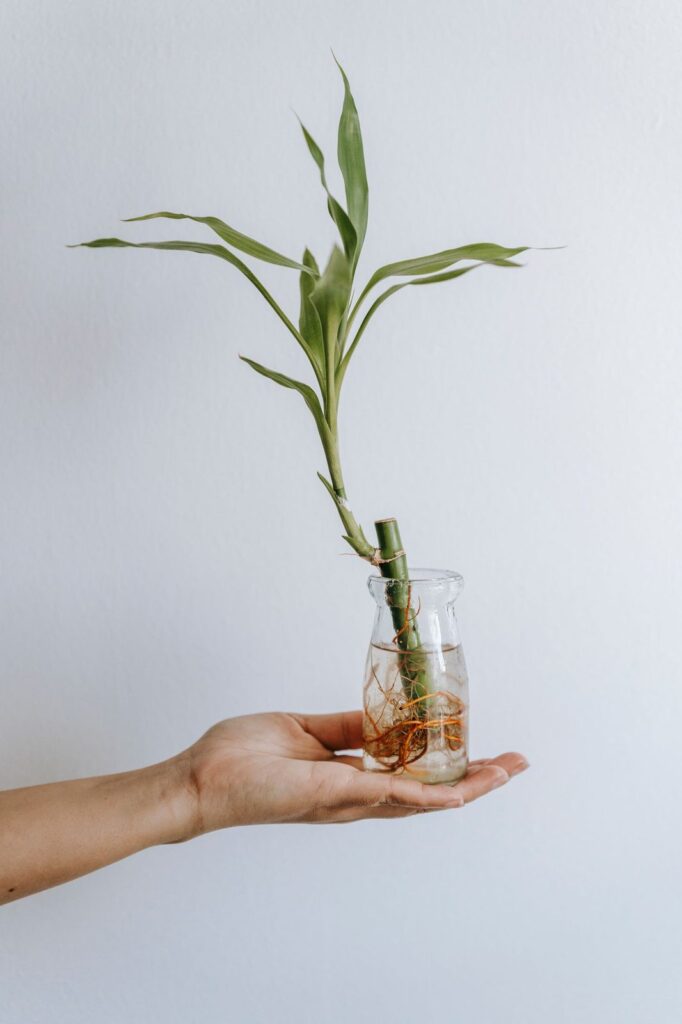
Lucky bamboo (Dracaena sanderiana) is not a bamboo at all. It’s one of the few plants that truly can live in water. Clemson Cooperative Extension says new roots typically appear in two to three weeks from a shoot of new growth. Just keep the roots and an inch or so of stem submerged and use pebbles or marbles to keep your stalks standing straight.
Clemson advises to change the water weekly and feed every two months using a liquid houseplant fertilizer diluted to ¼ the recommended rate. It’s also sensitive to fluoride like other dracaenas, which will cause brown leaf tips, according to the University of Arkansas. Try using filtered or rainwater instead. Lucky bamboo is poisonous to cats and dogs.
8. Tradescantia
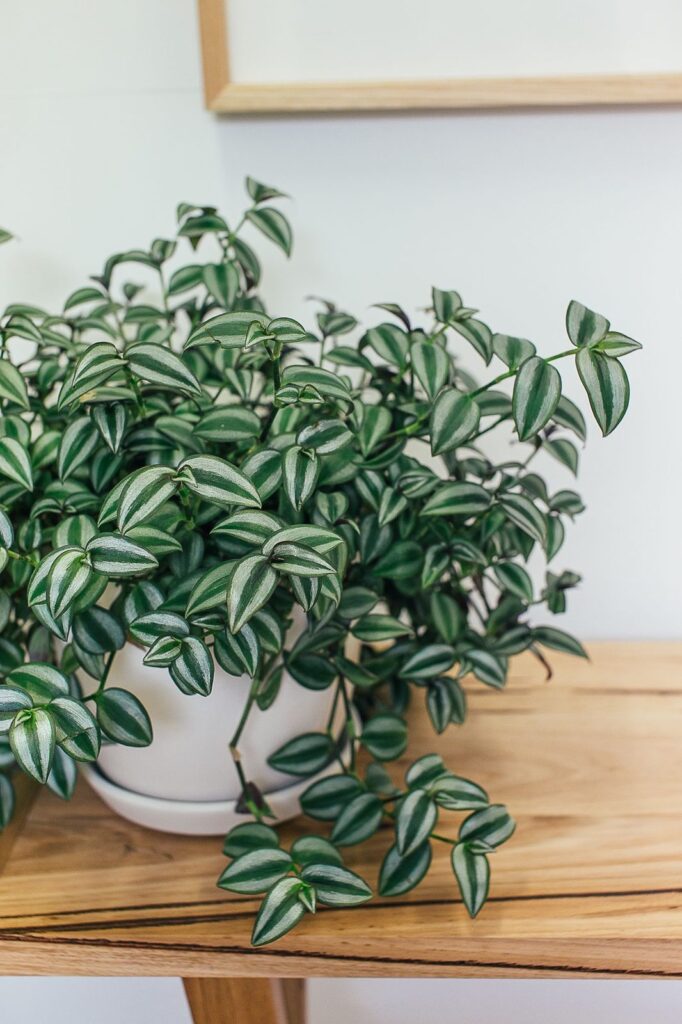
Tradescantia, also known as inch plant or wandering dude, is hard to fail with because it roots so easily. University of Vermont Extension says the silver inch plant (Tradescantia zebrina) can be rooted easily in water. Cut off the bottom leaves from the first one or two nodes, but leave the top ones above the water line. The nodes sit about an inch apart, which is where the name comes from.
The bright, filtered sunlight keeps the stripes and purple hues brilliant; in dark rooms, the stems elongate and shed their bottom leaves. The sap may cause skin irritation, and NC State Extension says it’s mildly toxic to cats and dogs.
9. Peperomia (Baby Rubber Plant)
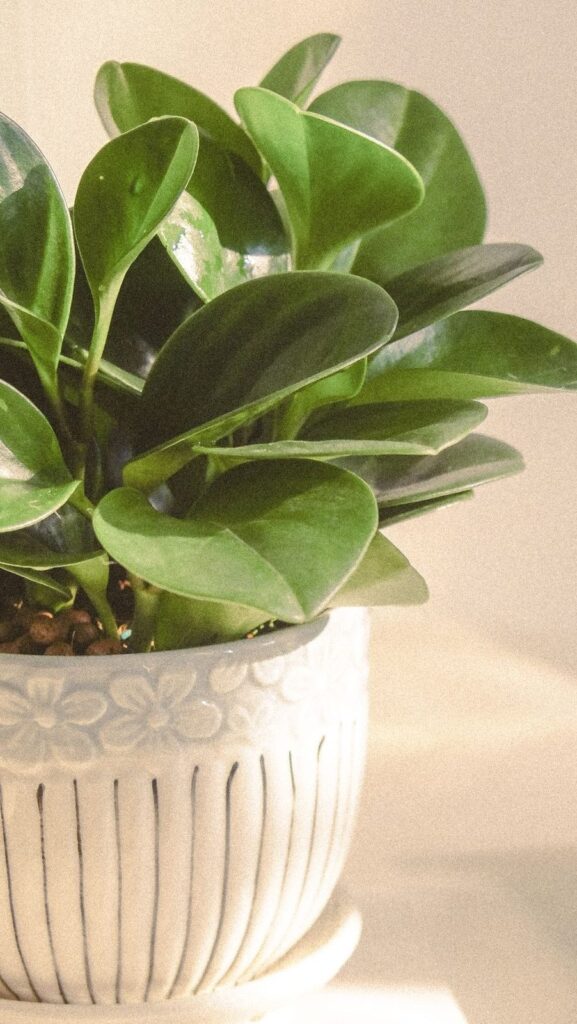
There are hundreds of peperomias, but the baby rubber plant (Peperomia obtusifolia) has clear expert support for water rooting. The Clemson Cooperative Extension suggests taking 4- to 6-inch cuttings right below a node, removing the bottom set of leaves, and keeping them in bright indirect light. Plant the cutting when it has formed roots and new leaves.
Peperomias are susceptible to root rot, so don’t let them sit in water any more than they need to be. Pilea, also known as the Chinese money plant, can sometimes be confused with the peperomia, but it is actually from a different family of plants. The baby rubber plant is non-toxic to cats and dogs, the ASPCA says.
10. Swedish Ivy
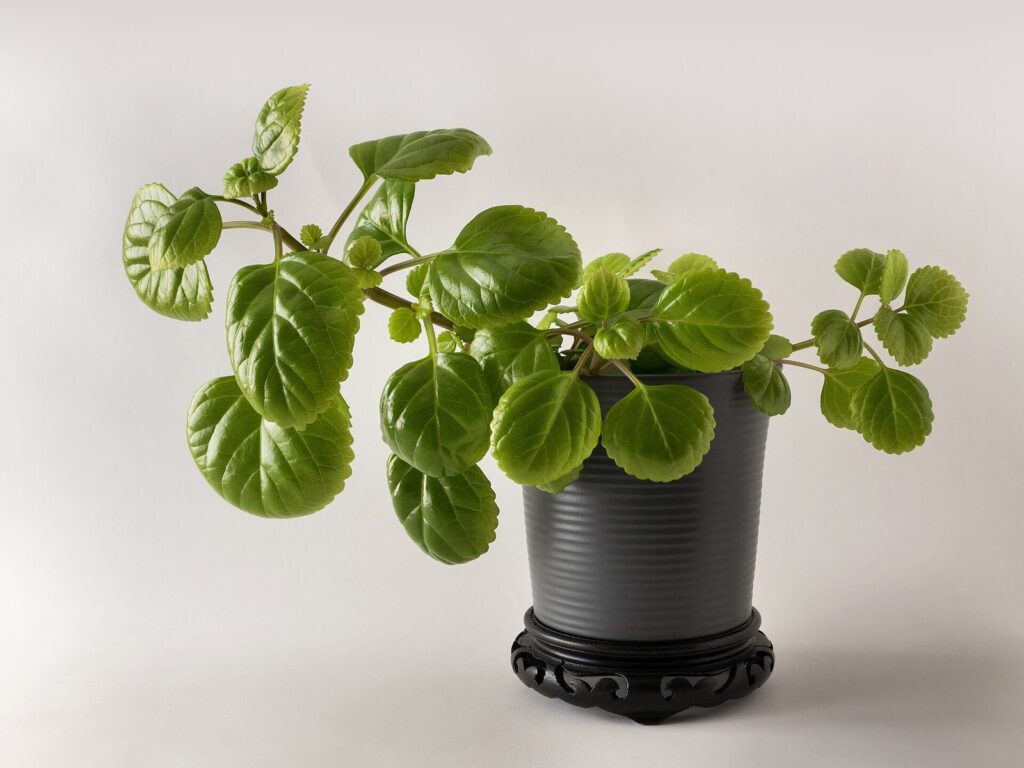

Another hanging-basket plant from days of yore is Swedish ivy (Plectranthus verticillatus). Not an ivy at all, it has round, scalloped leaves. Texas A&M marks it as super easy to root in water. The University of Maryland Extension lists it among the five plants that will take root in a jar.
Choose a 3- to 5-inch cutting with at least one node. Keep it near 70° Fahrenheit in bright but indirect light and change the water when it gets cloudy. The Maryland Extension recommends waiting another week or two for the roots to develop before planting it in soil. According to UF/IFAS, it’s susceptible to mealybugs, so inspect the stems closely before making your cut. ASPCA says that it isn’t toxic to dogs and cats.
11. Rosemary
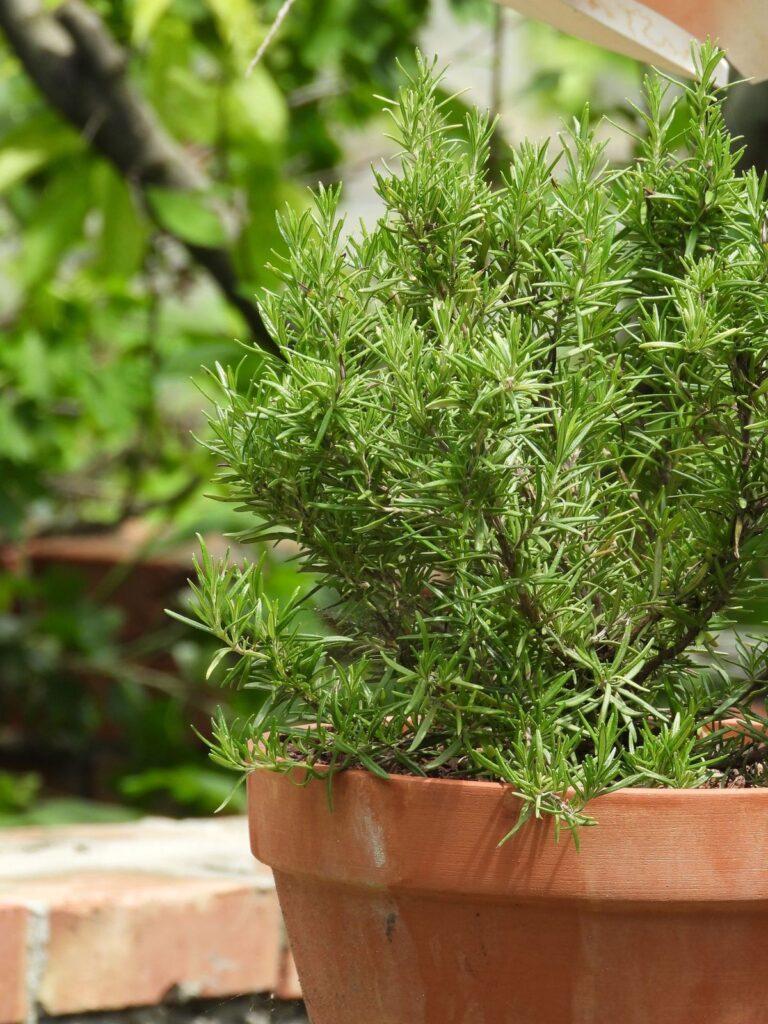
If you select the right stem, rosemary (Salvia rosmarinus) can be rooted in water. You want the soft, green, nonflowering new growth, from late spring or early summer, rather than the brown, woody old stems. A University of California fact sheet suggests 4- to 5-inch cuttings, with the bottom 2 inches of leaves stripped off, and placed in about 2 inches of water in a sunny spot.
Since not all cuttings will grow, begin with extra plants. Rosemary doesn’t like being soaked and it’s the most common cause of death, so plant rooted cuttings in well-drained soil. Cats and dogs are safe around rosemary.
12. Mint
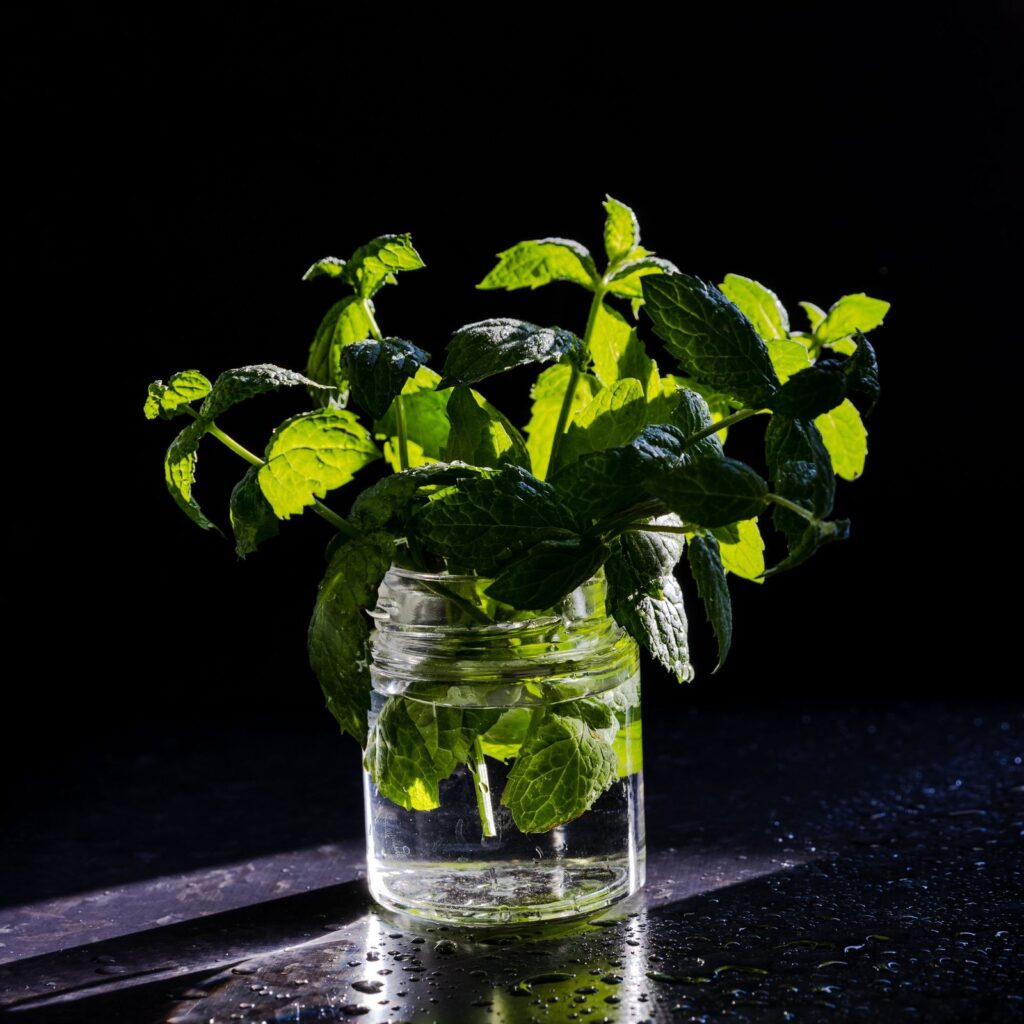
Mint is another of the fastest rooting plants on this list. The Royal Horticultural Society uses mint cuttings in its school lessons as they root within one to two weeks. Cut a stem approximately 4 inches long, making sure it has a node somewhere along its length. Remove any leaves from the lower part of the stem, and place the glass on a bright windowsill.
The Iowa State Extension cautions that mint spreads quickly, so plant rooted cuttings in a container instead of an open bed. Pinch off the top to encourage bushiness. According to the ASPCA, mint is toxic for cats and dogs in large quantities.
13. Basil
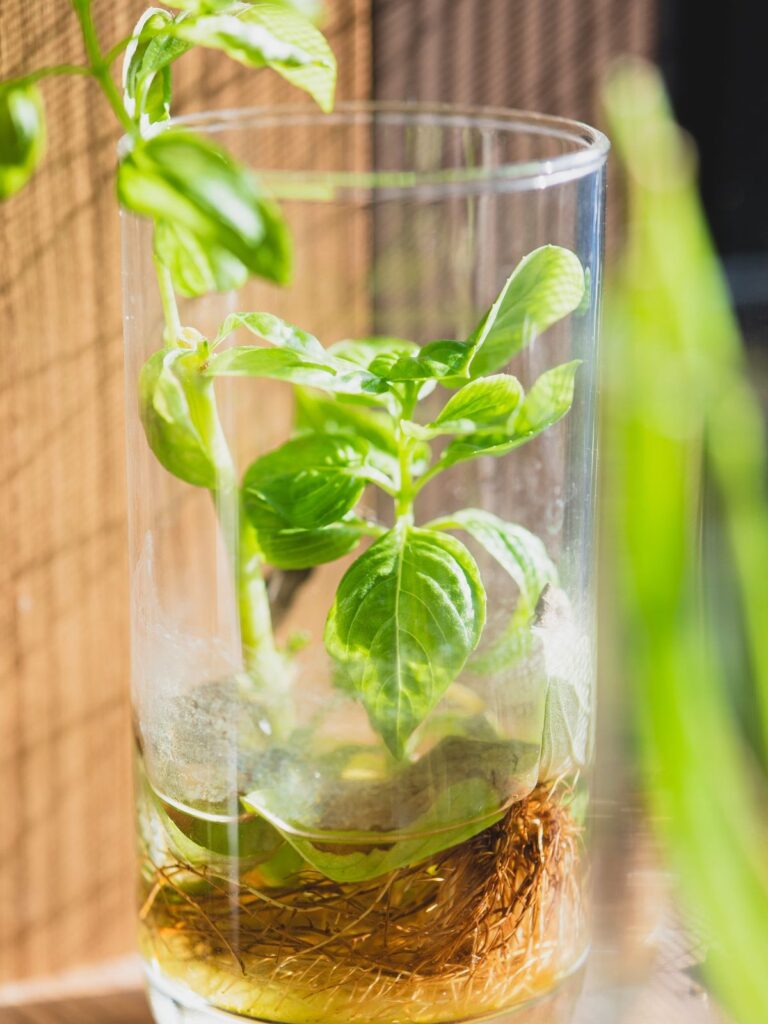
Basil is one of the fastest herbs to root. According to the New York Botanical Garden, you can expect roots to appear in around eight days and for it to be ready for a container with potting soil after about two weeks. Choose stems that don’t have any flower buds and remember to change the water frequently.
Basil likes warm weather and about six hours of bright light a day, so cuttings taken in the winter may require a grow light. Pinch off flower stalks as soon as they form. According to the UC Master Gardeners, once basil starts flowering, it slows down on producing leaves. Basil is not toxic to cats or dogs.
14. Arrowhead Plant
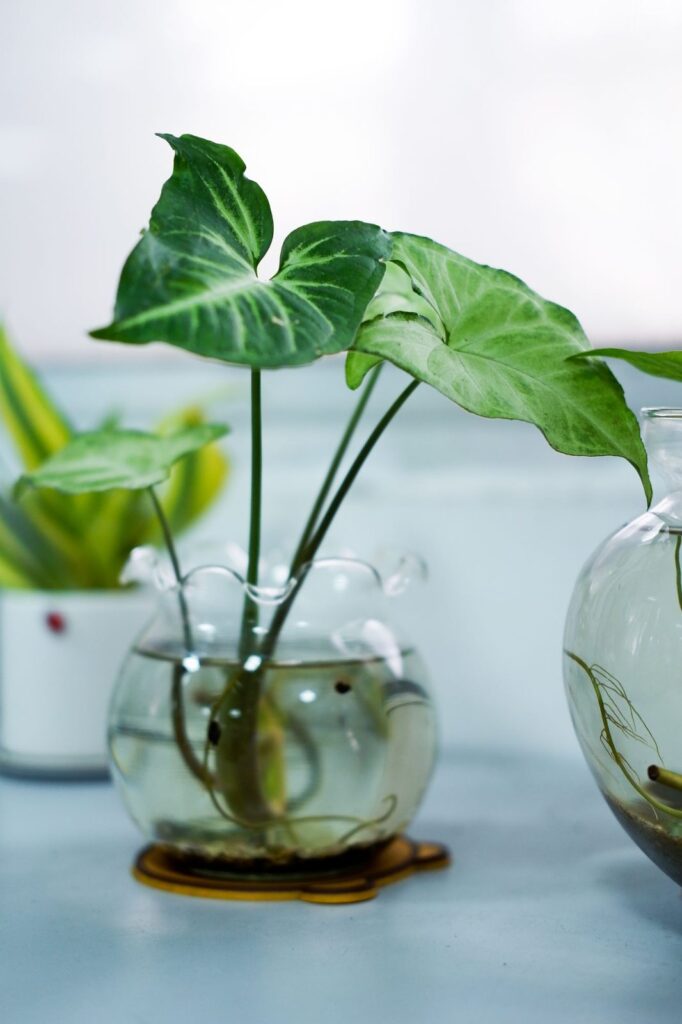
The arrowhead plant (Syngonium podophyllum) gets its name from its pointy young leaves, which are green, cream or pink. Both the University of Maryland Extension and the University of Missouri Extension include it on their lists of plants that root in water. It only takes a 3- to 5-inch stem with a node.
Keep it warm and out of full sun, which can bleach the leaves. One responsible-gardening note: UF/IFAS rates arrowhead plant as invasive in Florida, so never toss extra cuttings outdoors. It is also toxic to cats and dogs.
15. English Ivy
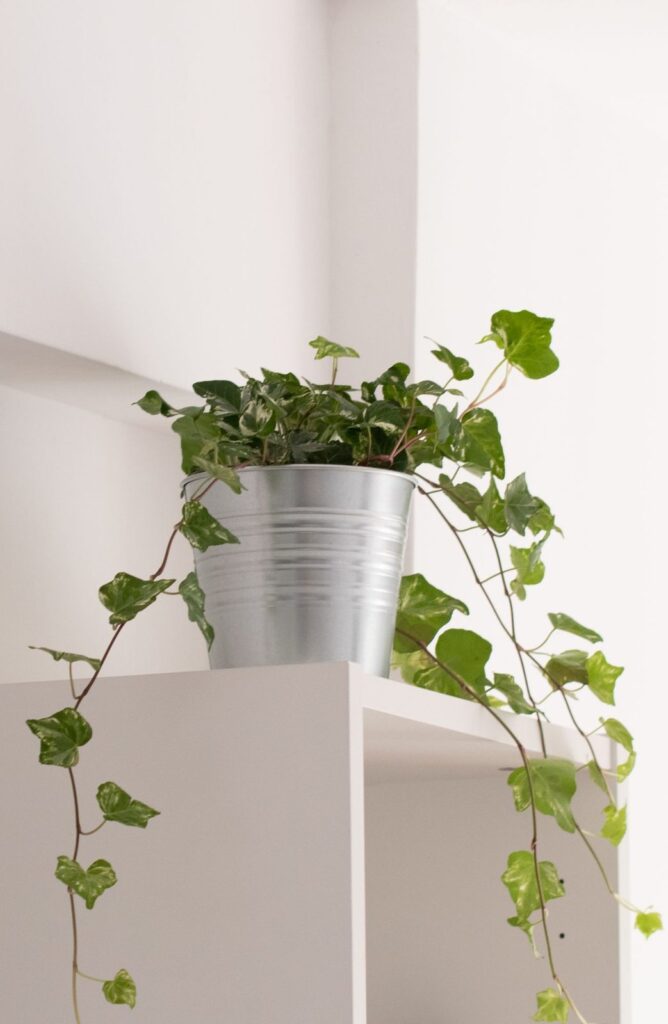
According to Illinois Extension, English ivy (Hedera helix) propagates well from water. Use the regular tip propagation, including a node and no leaves below the water line. It will grow in most light conditions, but bright, indirect light keeps it compact.
Keep this one indoors. As NC State Extension points out, it’s considered invasive in North Carolina, and the USDA Forest Service has listed it as invasive in several states, particularly in the Pacific Northwest. It can regrow from any small piece that breaks off, so bag unwanted cuttings instead of tossing them outside. English ivy is toxic to cats and dogs.
16. Chinese Evergreen
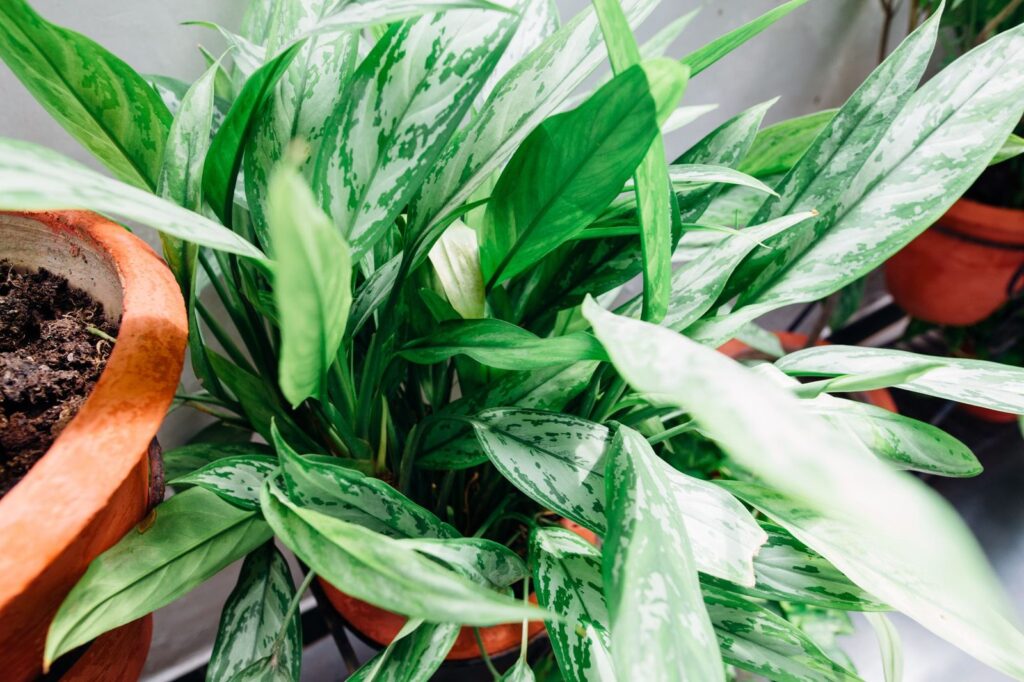
The other long-term water plant on this list is Chinese evergreen (Aglaonema). According to the University of Missouri Extension, it “may be rooted or grown in water.” Kew Gardens recommends cutting just below a node, keeping only the top two or three leaves, and using tepid water in a bright, warm spot out of direct sun.
It hates cold. NC State Extension states it prefers temperatures between 70 and 80°F during the day and recommends avoiding cold water. The striped silver, green and pink foliage looks gorgeous in a glass vase. It’s toxic to cats and dogs.
17. Coleus
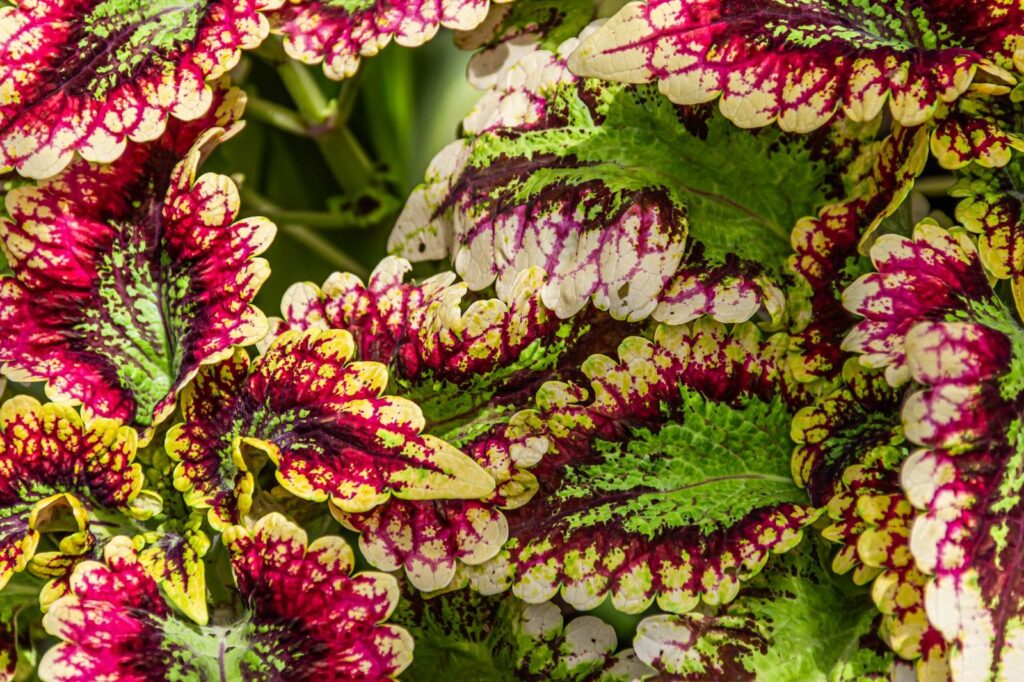
The University of Missouri Extension calls coleus “easiest of all” for rooting in water. Take a 5-inch stem tip with several leaf nodes, leave just two leaf clusters on top, and use room-temperature water, as the University of Vermont Extension recommends. You should see roots in a few weeks.
Take coleus cuttings in late summer. The garden plants will die in the frost. Root them indoors over winter, then replant them in the spring. Indoors, coleus needs bright light to keep its color. Ornamental coleus isn’t listed by the ASPCA. Check with your vet if you have a pet that likes to eat plants.
18. Impatiens
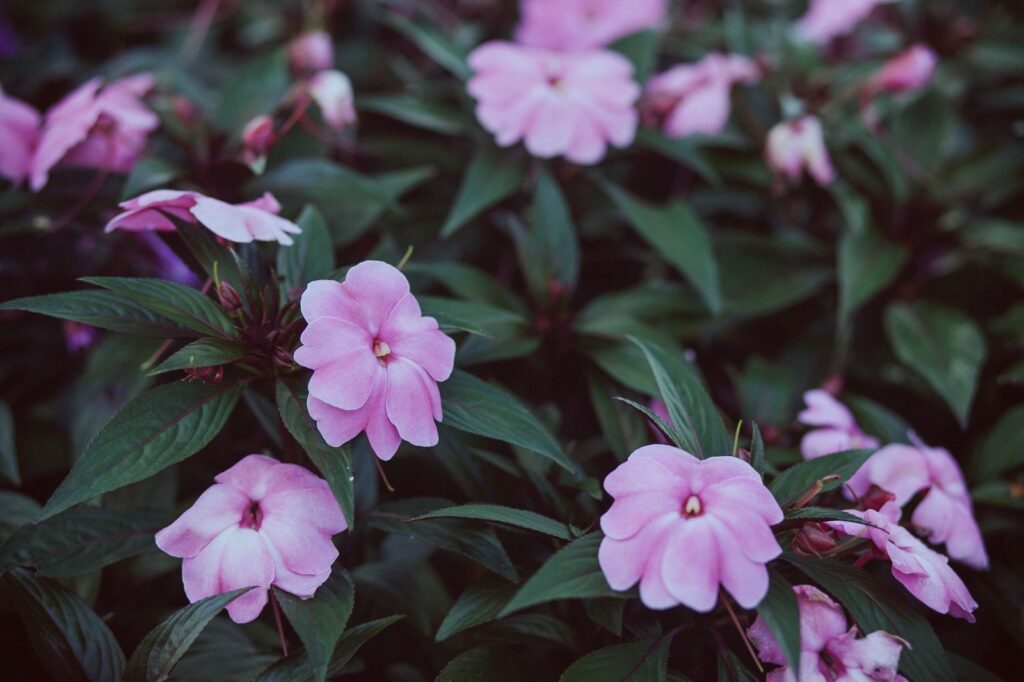
Impatiens (Impatiens walleriana) root easily, making them a convenient means of saving a favorite hue before the frost. According to the Royal Horticultural Society, you just remove the lower leaves from the stem and place the bottom inch or so in water. NC State Extension notes that fall cuttings can be re-planted in the garden following the last spring frost.
Impatiens are tropical and won’t stand cold, so put the jar in a warm room with bright light but not direct sun. Some varieties are protected by plant breeder’s rights and you may not sell them. You can, however, take cuttings and root them for your own use. Impatiens are safe for cats and dogs.
19. Sweet Potato Vine
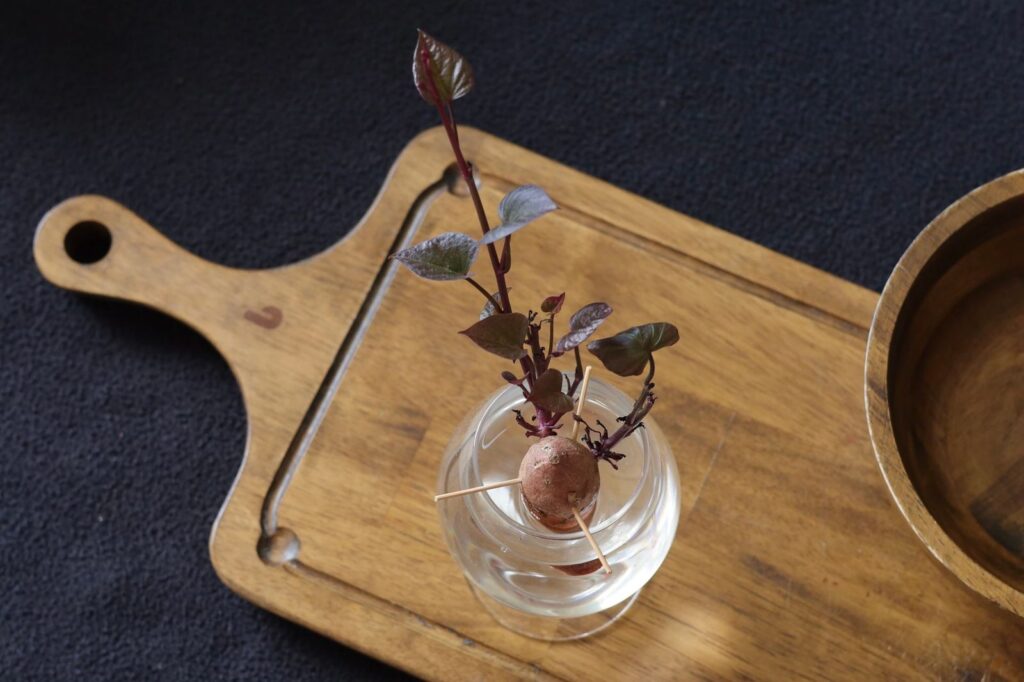
The sweet potato sprouting-in-a-jar project remains a favorite. The NC State Extension site says to use an organic sweet potato, secured by toothpicks so the pointed end sits in lukewarm water. Within a few weeks, you’ll see roots and lush foliage. Replace the water twice a week, and add a little liquid fertilizer once a month, using the product according to its instructions.
According to some extension services, grocery-store sweet potatoes may have been treated or stored in a way that prevents them from sprouting, so using an organic or farmers market potato is more likely to be successful. After the shoots reach about 6 inches, Clemson Extension recommends twisting them off and rooting them in water, which takes about ten days. Sweet potato vine is non-toxic to both cats and dogs.
20. Begonia
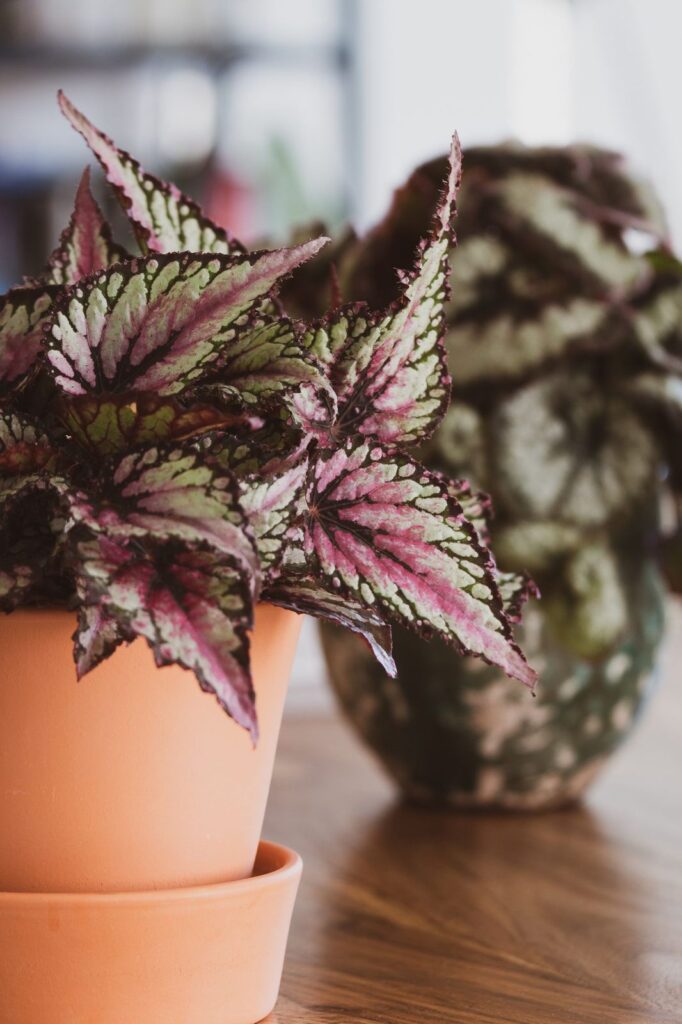
There are many varieties of begonia that are easy to root in water, from wax and cane to the rex with its painted foliage. The Iowa State Extension notes that stem cuttings are “relatively easy to root in water.” The American Begonia Society recommends cutting about half an inch below a node that hasn’t flowered, then putting the cutting in soil when the roots reach about half an inch in length.
Iowa State suggests 60-80 degrees Fahrenheit and plenty of bright light, but not too much direct sun. An east-facing window will do nicely. And, while they’re lovely, begonias are toxic to cats and dogs (the underground parts are the most poisonous).
Common Mistakes to Avoid
- Cutting between nodes. A piece of stem without a node doesn’t have a place for roots to form; most often, it will rot.
- Leaving leaves under water. The leaves sitting in the water may rot and dirty the water. Bacteria in the water may also spread the rot to the stem.
- Forgetting the water change. It should be done weekly at the very least. If the water is cloudy or smells, it’s long overdue.
- Hot, direct sun. A jar in a south or west window can get too hot and cook delicate foliage. Try bright, indirect light instead.
- Feeding too early. Don’t apply fertilizer until after roots have developed. The Montana State University Extension recommends not adding it to the rooting solution.
- Waiting too long to pot. Long water roots take longer to establish in soil. Wait until they’re 1-2 inches long.
- Dumping extras outdoors. English ivy and arrowhead plant may spread to the wild. Wrap them up or compost them in a way that prevents them from rooting.
Keeping Plants in Water vs. Moving Them to Soil
If you want a plant to live in water for good, lucky bamboo and Chinese evergreen are your best bets. Choose a heavy pot that won’t easily be tipped over. Add some stones to anchor the plant and change the water weekly. Plain water has no nutrients, so feed lightly. For lucky bamboo, Clemson recommends a quarter-strength liquid houseplant fertilizer every other month.
For everything else, the jar is the beginning. When potting up your water-rooted cutting, use a small pot with drainage and fresh potting mix. Keep the soil evenly moist for the first couple of weeks while the roots adjust, then return to normal watering. Iowa State Extension notes that newly potted water-rooted cuttings may wilt or drop leaves at first, and consistent care helps them settle in.
Not all professionals are proponents of water rooting. The Illinois Extension favors potting mix because water roots tend to be fragile. Should you find that your plant isn’t doing well following its relocation, consider taking another cutting and placing it directly into moist potting soil and observe which method yields better success.
Your Next Steps
Start with an easy trailing plant like pothos, heartleaf philodendron, or tradescantia and a glass you already have. Set a weekly alarm for water changes and write today’s date on a piece of tape on the jar to track when your cutting started rooting. After your first cutting roots, you’ll understand how your light and temperatures act, and the rest of the more slow-to-root plants in this guide won’t be so daunting.
Sources and Further Reading
- Virginia Cooperative Extension: Propagation by Cuttings, Layering and Division
- University of Maryland Extension: 5 Plants That Root Easily in Water
- Iowa State University Extension: How to Propagate Houseplants by Stem Tip Cuttings
- University of Missouri Extension: Home Propagation of Houseplants
- Montana State University Extension: Cloning at Home
- Clemson Cooperative Extension: Lucky Bamboo
- Illinois Extension: Houseplant Propagation
- CDC: Mosquito Control at Home
- ASPCA: Toxic and Non-Toxic Plant List
- UF/IFAS: Poisonous Houseplants and Pets
Featured photo: Tara Winstead / Pexels (Pexels License)