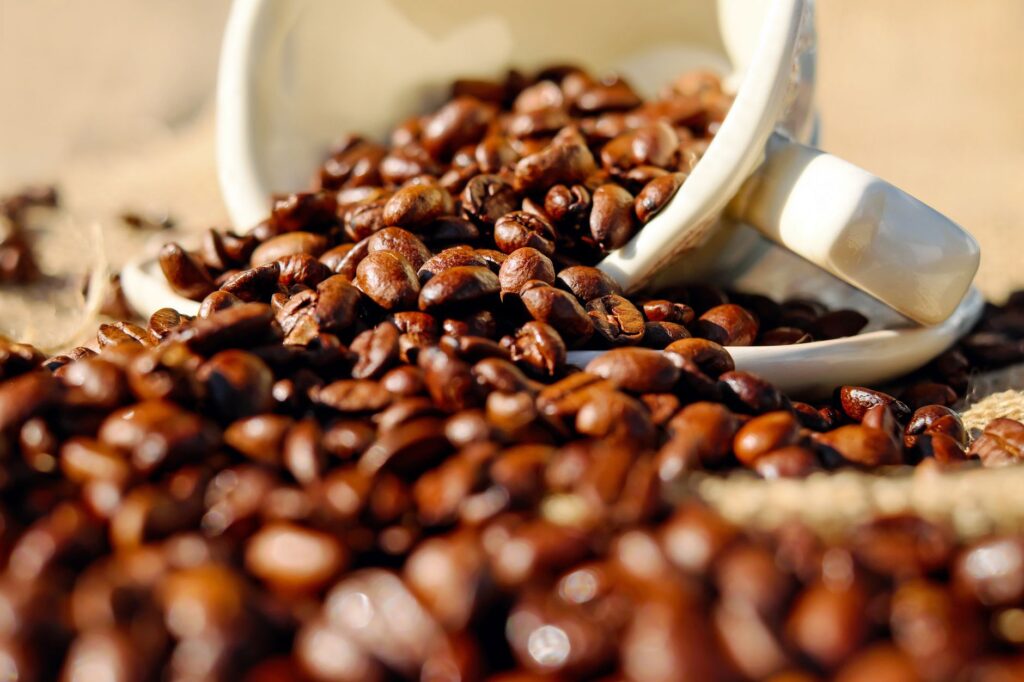
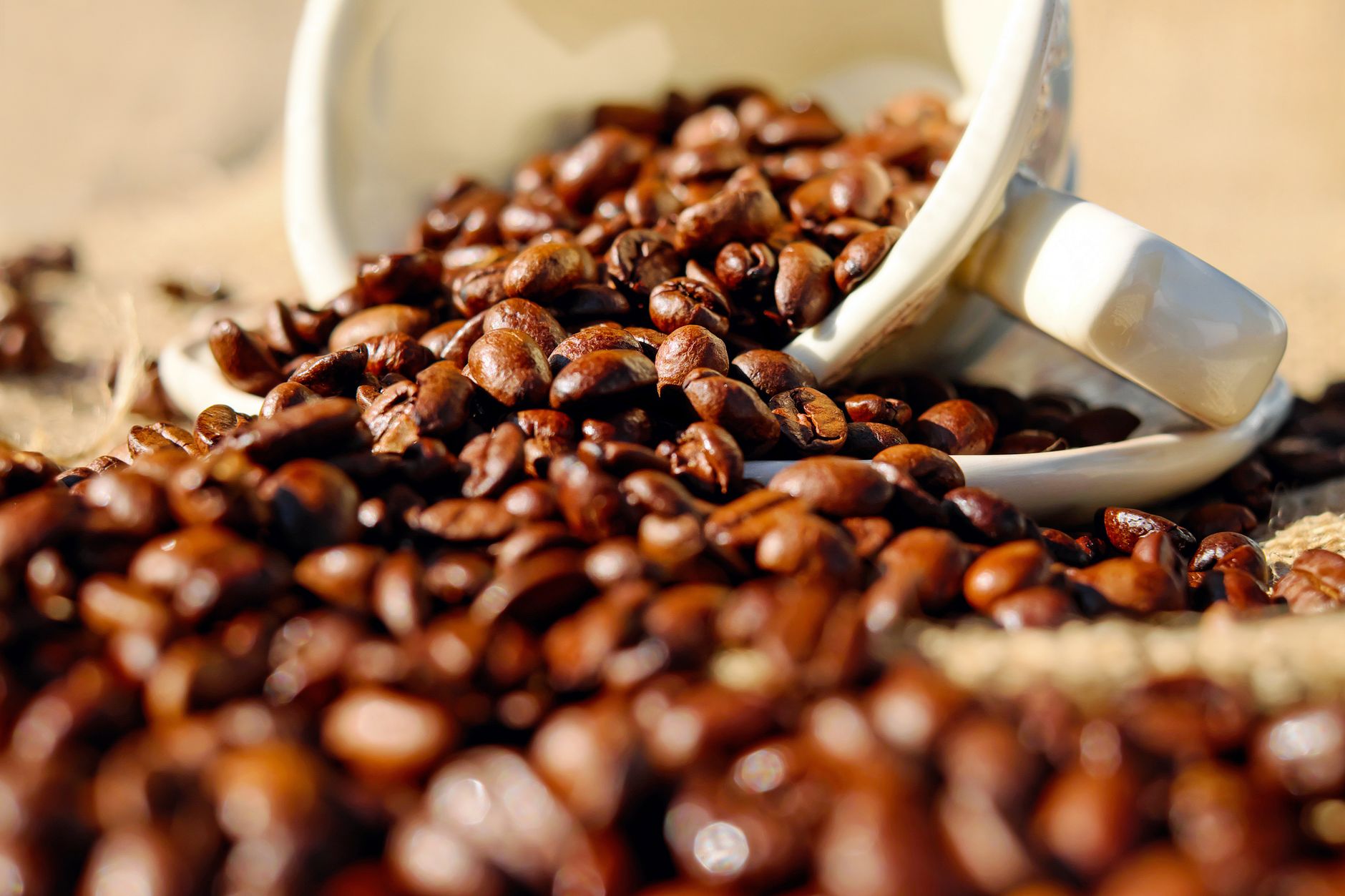
Coffee, is one of the most well-loved beverages internationally and its no suprise. Known for its delightful aroma and strong punch of caffeine, this drink signals the human brain and body to get up and get things done. Sadly, everyday one of the most versitile kitchen scraps is thrown away without ceremony, right after breakfast… but that is about to change. That dark, leftover, gritty sludge in your coffee maker can be a game changer for your houseplants!
When used correctly, coffee grounds can breathe new life into the leaves and blooms of our quietest household companions. So let’s stop wasting this morning’s most interesting by-product and learn how to use it both safely and effectively; it could be the gardening hack you’ve been waiting for!
Things to Know Before Using Coffee in Your Houseplants
First, coffee grounds must have already been used in the brewing process before being considered for gardening purposes of any kind. This step is important for removing caffeine from the grounds since this chemical, though adored by humans, when added to houseplants can be quite toxic. At best, too much caffeine can slow down the growth of the plant, but at worst it may damage roots, possibly even killing the plant. This is why most gardeners recommend the use of coffee grounds that would typically be thrown down the drain or in the trash, but only in small quantities.
How to Use Coffee Grounds in Houseplants
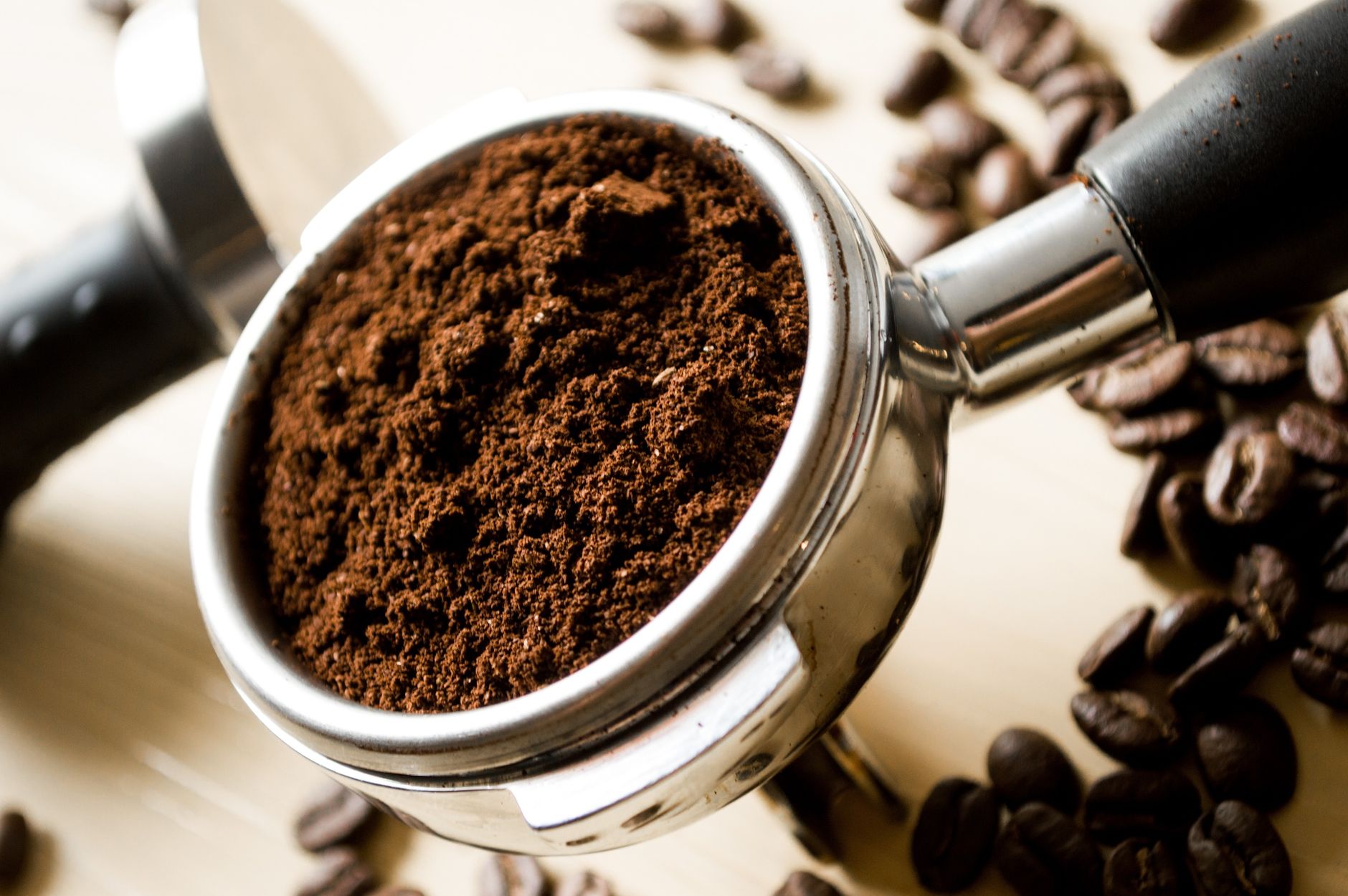
Once you have acquired used coffee grounds, the first step in preparing them for your houseplants is to let them dry out completely. This process usually takes 1-2 days and has the added benefit of reducing mold growth and lowering the risk of dense clumping of grounds when used in other preparations, which can harm your plants by keeping the soil too humid.
Once your grounds are nice and dry, there are a few ways to introduce them to the soil of your indoor potted friends. The safest method is to mix a ratio of 10% or less coffee grounds into 90% or more compost and wait a few days before using the mix with your plants. This waiting period gives micro-organisms living in the compost enough time to break down the last traces of caffeine, making it safer to mix into the soil while potting or repotting houseplants. This preparation can also be reapplied in small quantities to the top layer of soil once every few months, but if mold starts to grow, it is important to stop and allow the soil to dry. It’s likely that the grounds are to blame for retaining too much moisture in the soil.
Another approach to using grounds in your houseplants is to mix a small amount of used grounds directly into potting soil during potting. Keep in mind that too much can cause harm to your plant’s delicate roots, so use it sparingly. As some would say, you can always put more in, but you can’t always take it out. For this reason, many gardeners prefer to sprinkle used grounds on the surface of the plant’s soil. This approach slowly leaches nutrients into the soil with each watering as the grounds break down over time. Pay attention to the thickness of the layer of grounds you use. If the layer is too thick, it can create a hydrophobic crust, keeping water from reaching the soil and, secondarily, your plant’s roots. However, you can easily remedy this problem by removing the grounds if you notice anything strange.
A final way to use coffee grounds in houseplants is to make a lovely tea! This tea consists of 1-2 tablespoons of used coffee grounds mixed into a gallon of water, then left to steep for 24 hours. You can then use the resulting tea to water specific houseplants about once every 1-2 months for a little nutrient boost!
Why Add Coffee Grounds to Houseplants
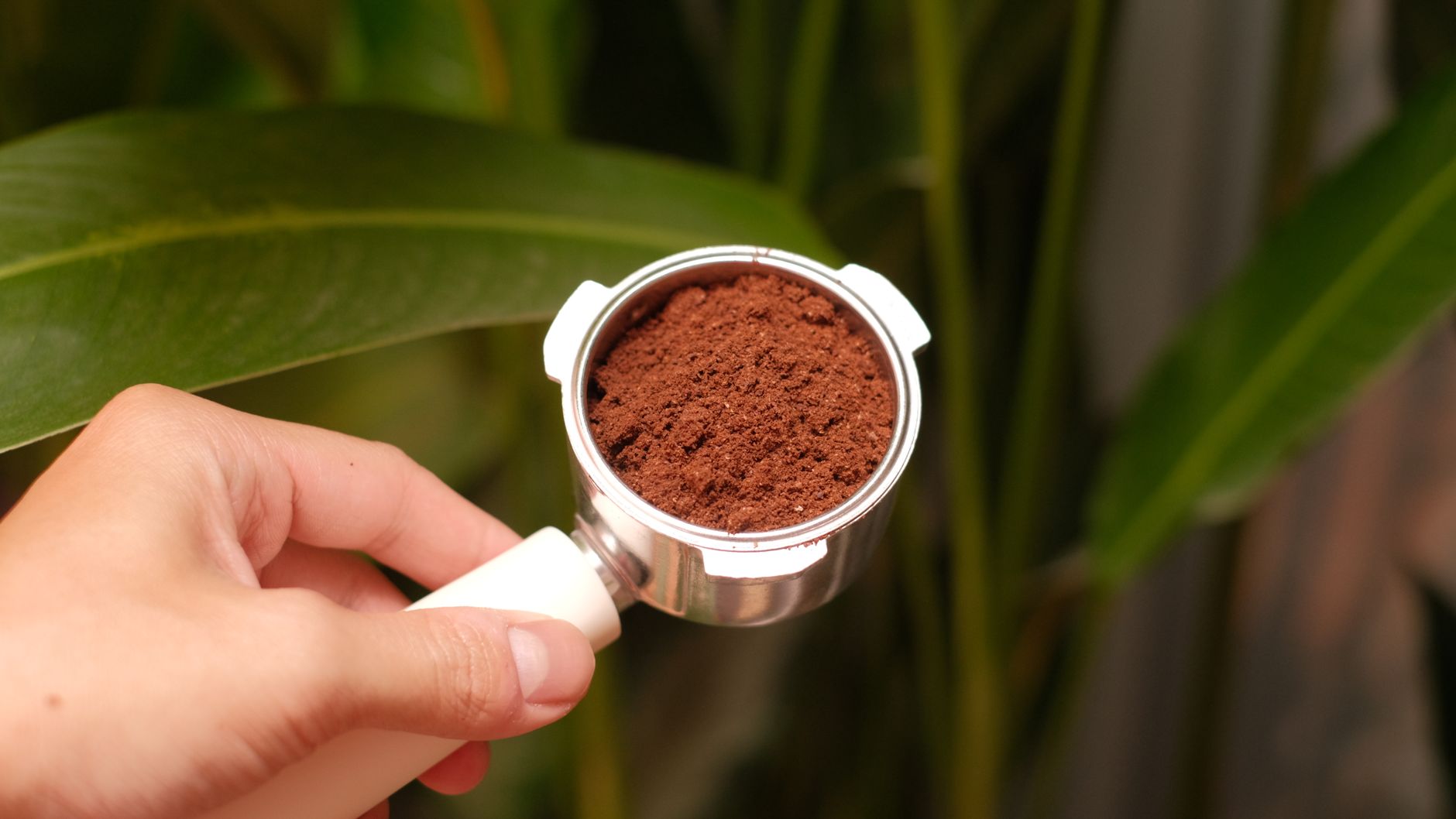
Although coffee grounds supplement healthy plant development, they cannot replace fertilizers; they can, however, be very beneficial in certain cases. For starters, adding coffee grounds to a houseplant’s soil can improve water retention, reducing the need to constantly water in warmer weather. Coffee grounds also lower soil pH, making it more acidic, which is ideal for many indoor and outdoor plant species. This additive is well known for enriching soil with important minerals such as potassium, magnesium, and nitrogen. An added bonus of coffee grounds is that they can help repel insects and other pests, though they do not work as an insecticide.
Houseplants that Love Coffee Grounds
This list is loosely categorized into subgroups of green leafy plants, flowering plants, and succulents/cacti. Enjoy!
Spider Plant
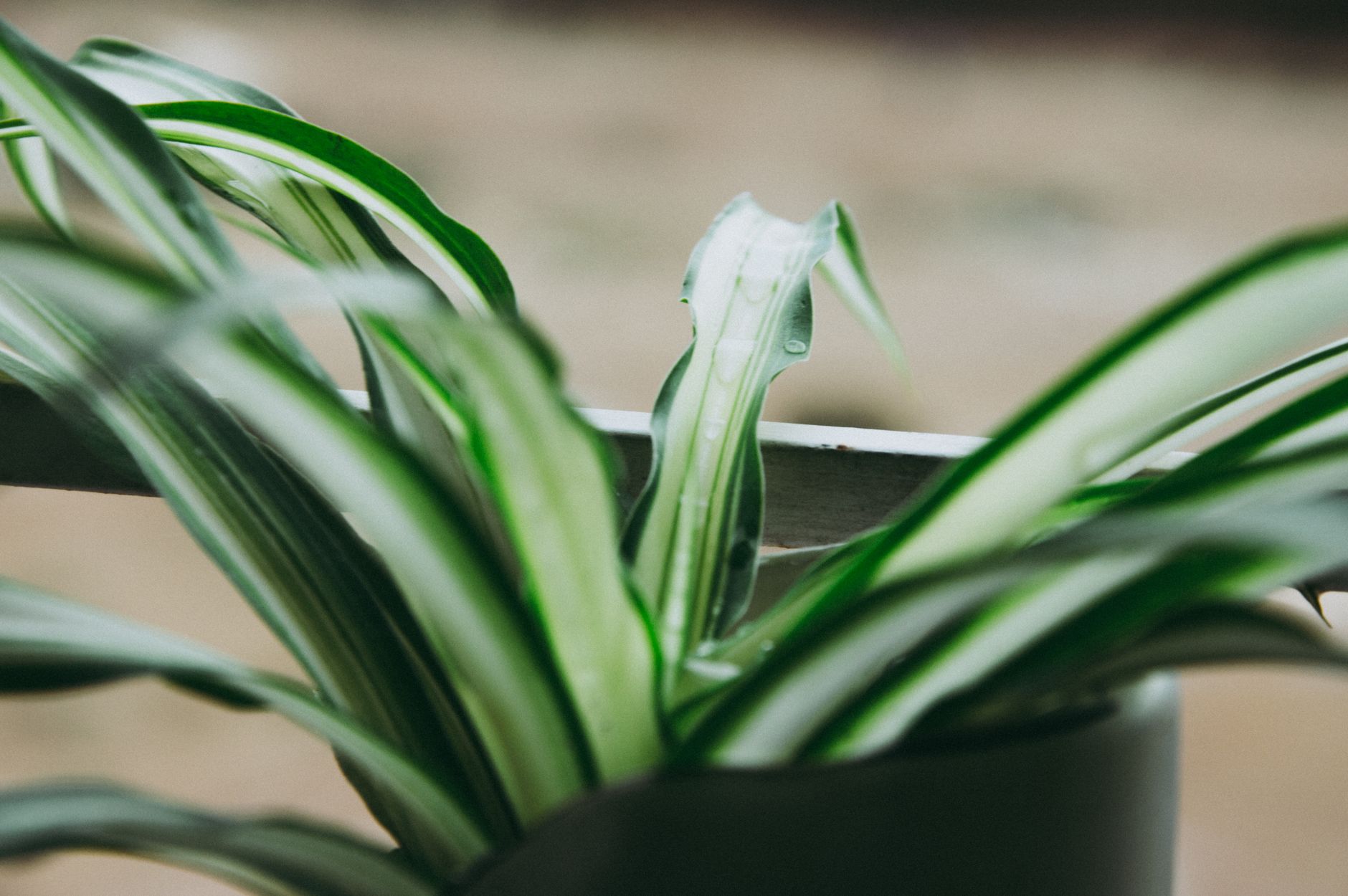
The Spider plant is recognizable for its green and white ribbon-like leaves. Contrary to its name, the mature version of this plant doesn’t look much like a spider, but more like a cheerleader’s pom-pom. The name becomes clear only when it produces pups, aka spiderettes. In this phase, many spiky little plants grow along a stringy vine, creating a form that looks like spiders hanging from a bit of web!
This plant is extremely low maintenance and prefers bright, indirect light, though it can still thrive in darker environments. It makes a perfect houseplant for beginners, or for people with a not-so-green thumb. Just use a chunky, well-draining soil mix. When the mood strikes, you can make use of leftover coffee grounds in the form of tea once every couple of months. Over time, you’ll see this plant fill out and become lusher.
Pothos
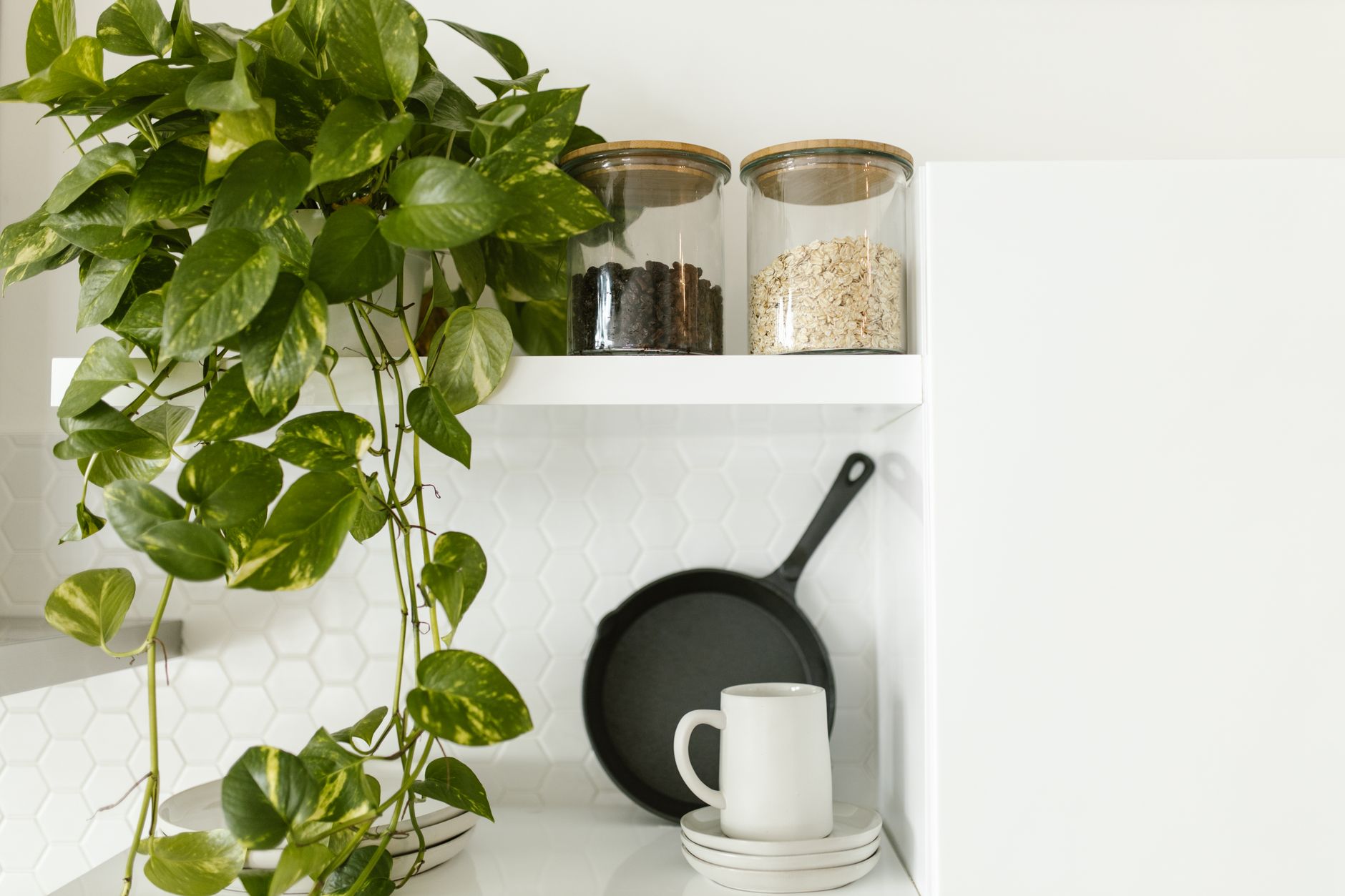
Pothos, the King of the beginner-friendly houseplants, is a fast-growing plant that uses large quantities of nitrogen to produce its lovely speckled leaves and long cascading vines. Though it doesn’t love acidic soil, its need for slow, consistent nitrogen release makes it appreciate well-brewed coffee ground tea more than almost any other plant. The pothos is also incredibly resilient, making it a great plant to experiment with if you have never used coffee grounds before.
Use coffee ground tea once a month through spring and summer to promote healthy growth during the active period. Use of the tea should be stopped in the fall and winter, when the growth of the plant naturally slows down so nitrogen levels don’t build up and ultimately stress the plant.
Philodendron
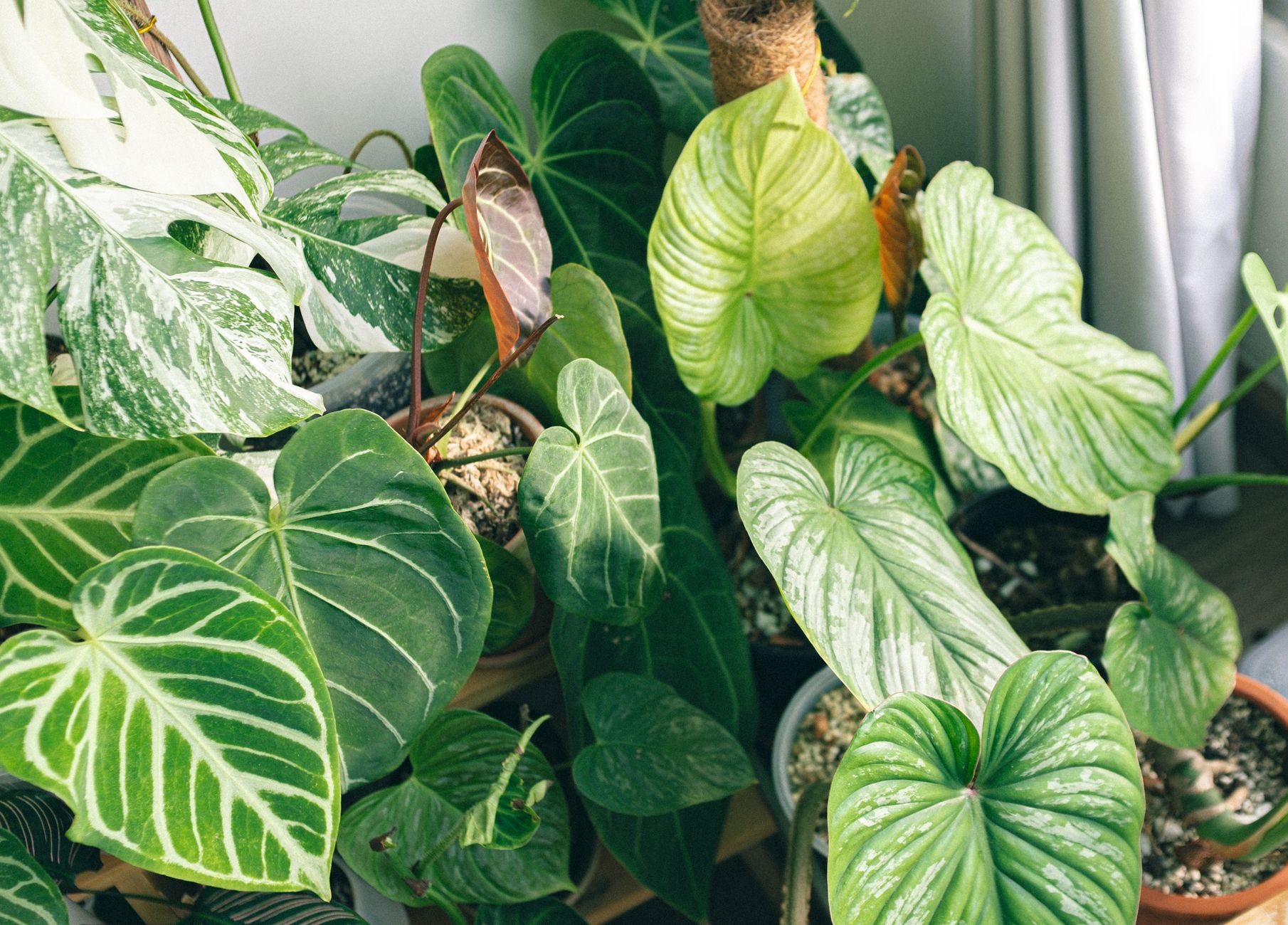
In particular, the Heartleaf Philodendron, very similar to the pothos in both appearance and behavior, is a fast-growing, nitrogen-hungry variety. As such, it benefits greatly from monthly applications of coffee ground tea through the spring and summer, with a long break through autumn and winter.
Boston Fern
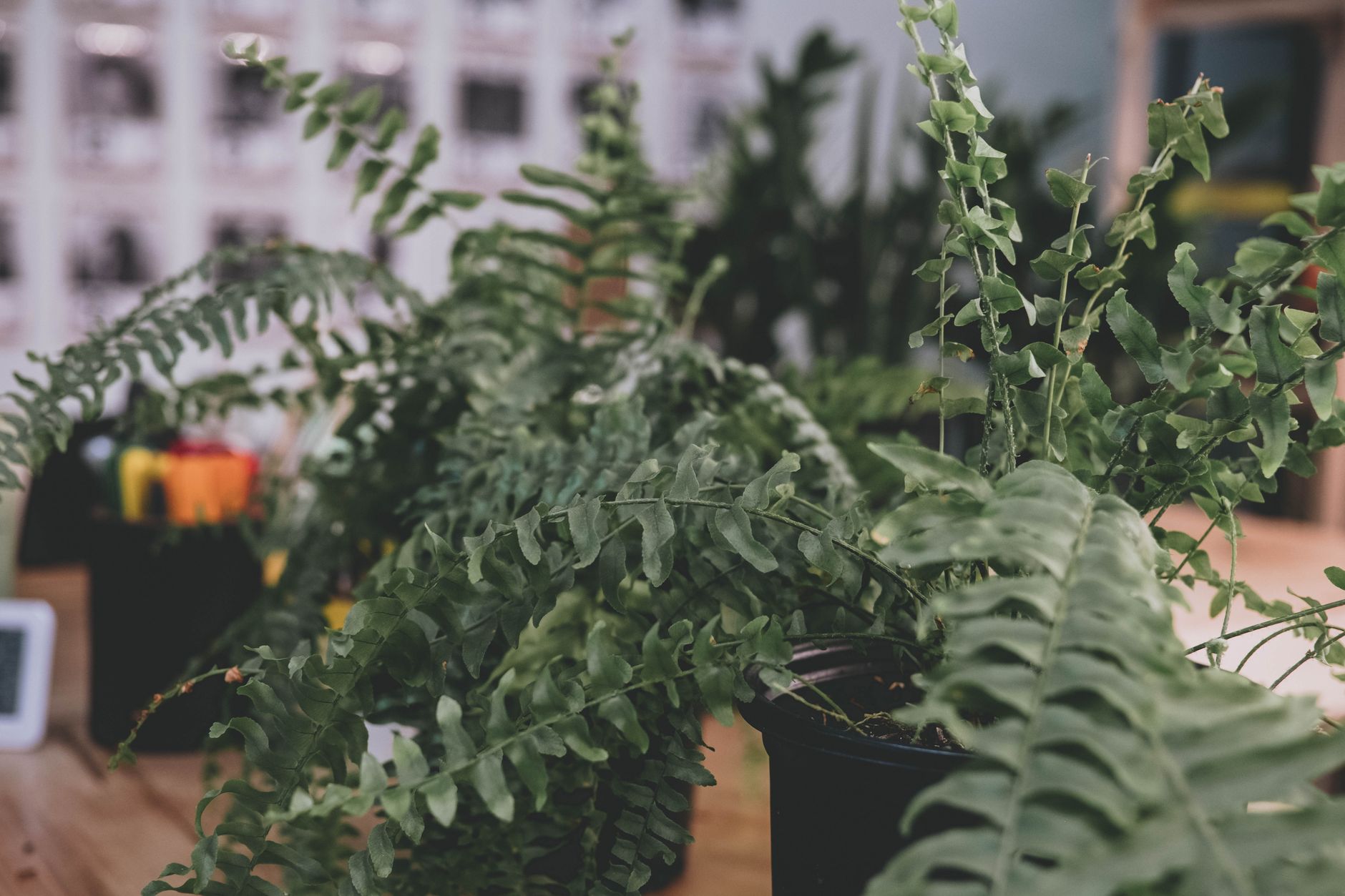
This spiky-leafed, ancient-looking plant known by the scientific name Nephrolepis exaltata loves a humid environment and nitrogen-rich soil. These preferences set the Boston fern up well for two things: using coffee grounds for slow-release nitrogen, and an increased risk of mold if you don’t do it carefully. This dilemma makes the method of using the grounds especially important, since grounds are notorious for promoting mold growth in these plants.
Because of the risk, the best way to use the grounds is to add them dry to compost and work the dry mixture into the top layers of soil about 3 times a year. Never use wet grounds or tea.
African Violet
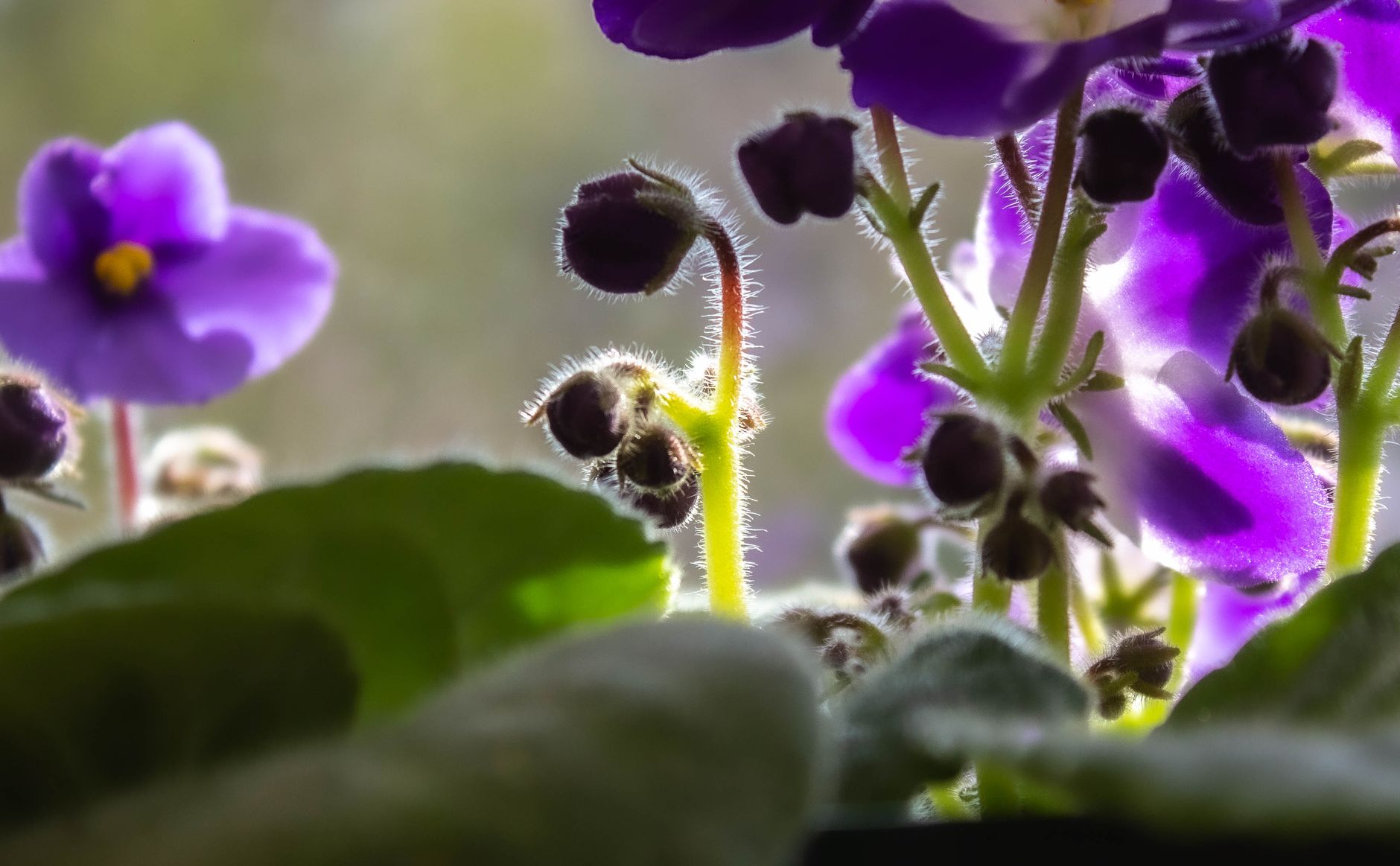
The African violet, known by some as the Saint Paulina, is native to Tanzania but has since become a beloved houseplant internationally for its lush, velvety foliage and vibrant blooms! These plants thrive in high humidity and indirect sunlight, but they’re fairly hardy and grow well in pots because they stay relatively small.
This plant, in its many variations, is known to enjoy a coffee treat every now and again because the grounds help maintain an acidic pH balance and add nitrogen to support its beautiful flowers, which have made this plant and its many different colored variants so Iconic. Sprinkling a quarter to a half teaspoon of coffee grounds on top of the soil once every two months should result in noticeably darker leaves and petals over time. Be patient and consistent; good things come to those who wait!
Miniature Roses
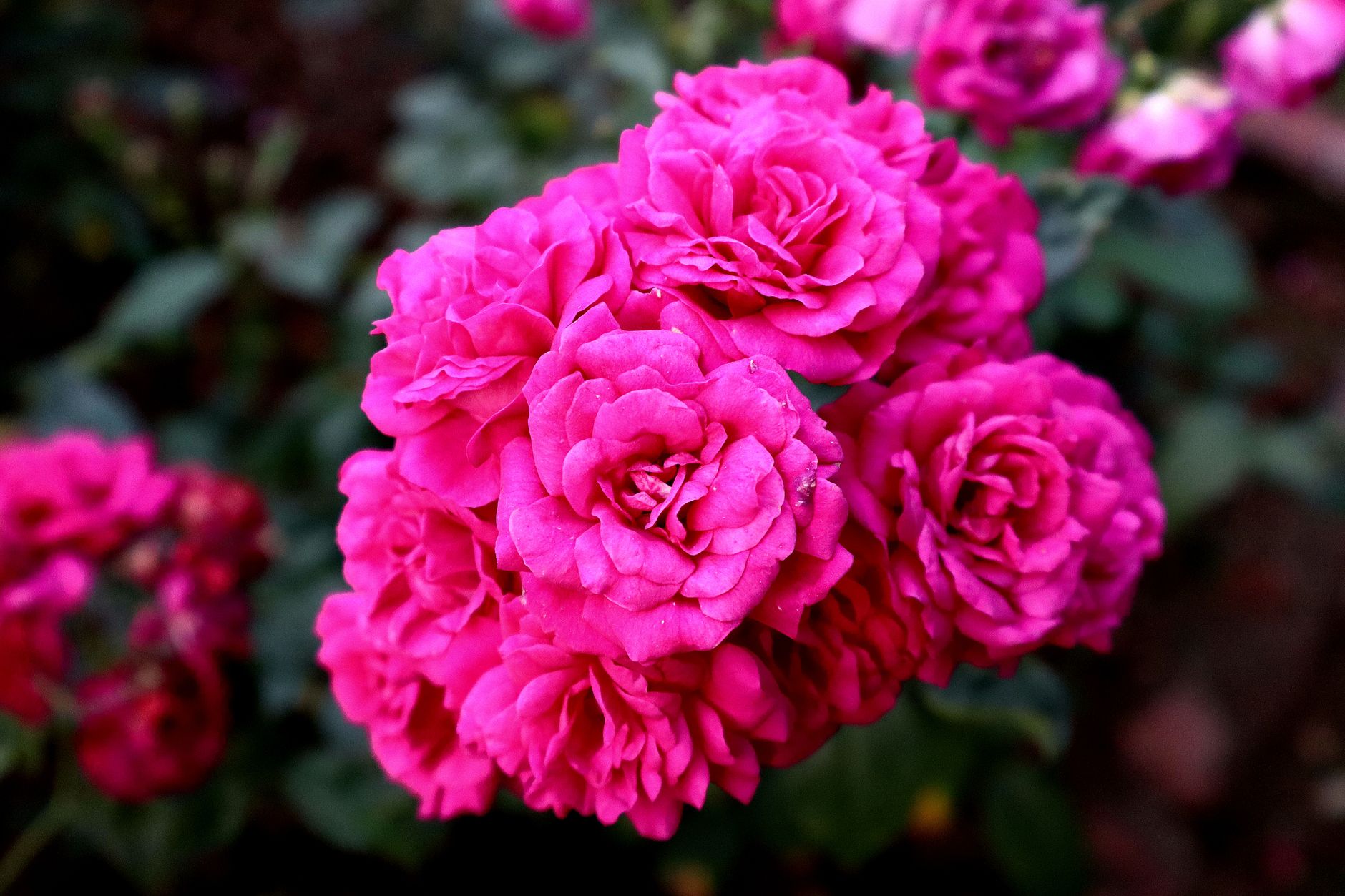
Miniature roses make stunning houseplants. Though known to be slightly more complex to care for than other houseplant varieties, their colorful, fragrant flowers make the small step up in maintenance more than worth it.
Like other plants that enjoy coffee grounds, these miniature beauties thrive in acidic, well-draining soil, which coffee grounds support well. The best way to integrate this wonderful kitchen scrap into this plant’s soil is to use composted coffee grounds every 3-4 months, working them into the soil’s surface. This should support healthy flower production over time in cooperation with other rose-specific fertilizers.
Peace Lily
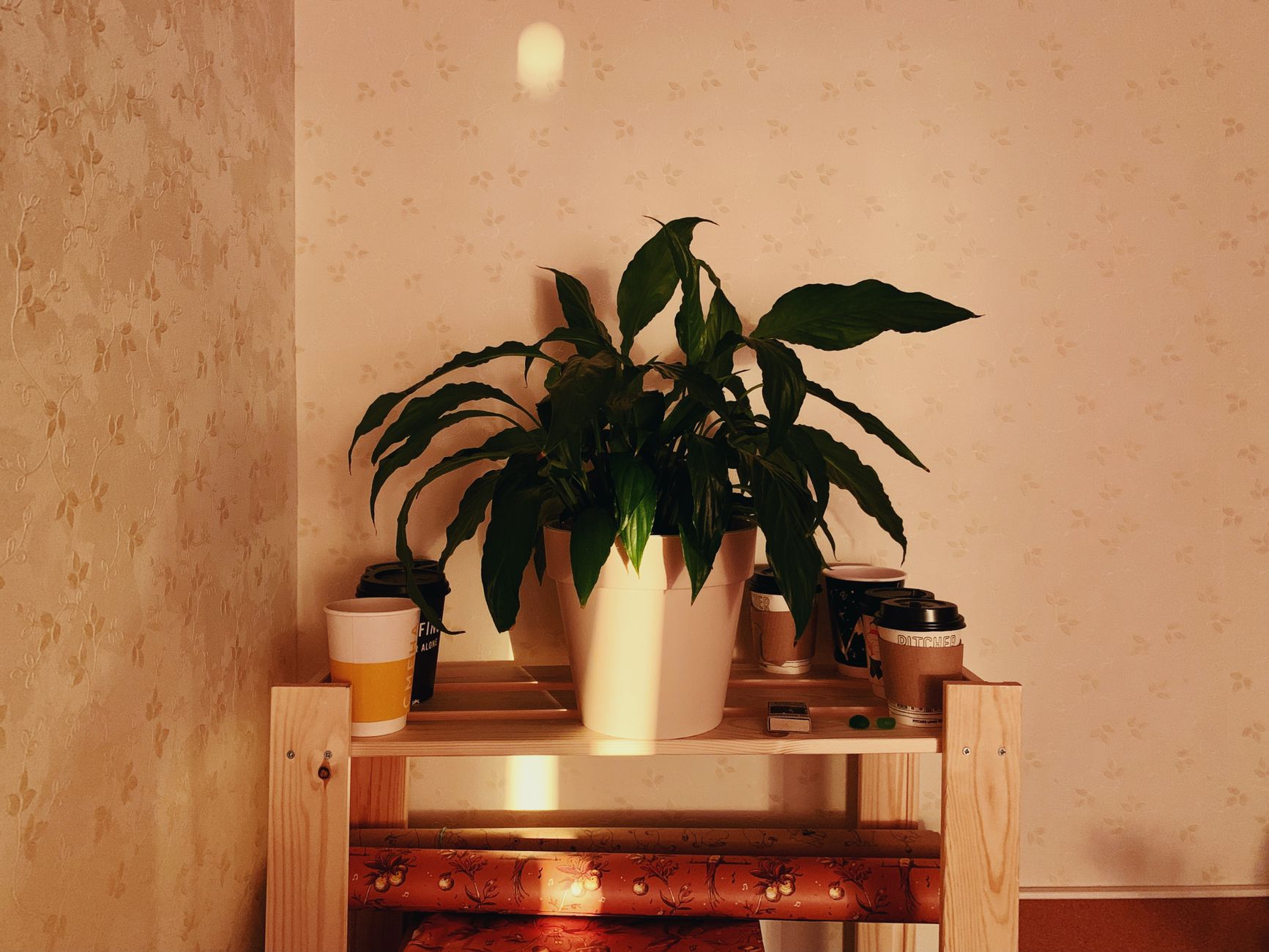
Another leafy, fast-growing houseplant, the peace lily, or Spathiphyllum, is low-maintenance and thrives in moist soil, relying on bright indirect sunlight to produce its signature white blooms. Speaking of its beginner-friendly nature, this particular plant benefits greatly from the use of coffee grounds in any preparation. This includes coffee ground tea and composted grounds worked directly into the soil.
Use the tea monthly through spring and summer if you prefer that method. Otherwise, apply composted grounds to the soil about once every 2 months year-round. With consistent care, peace lilies become fuller and greener as they grow larger, greener leaves. I followed this schedule with my own peace lily and although she did not flower more she took over an entire corner of my office Eventually.
Bromeliads
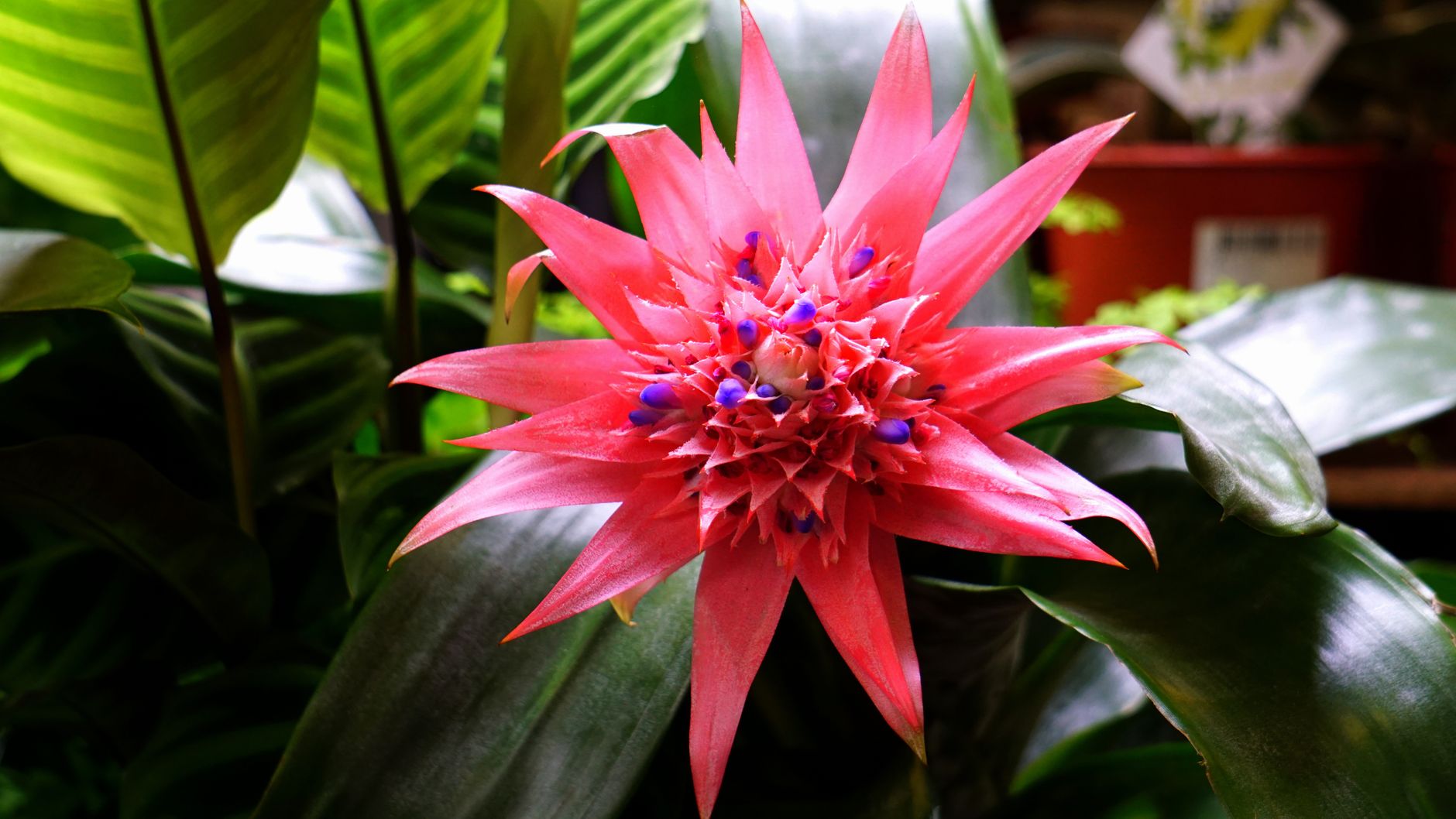
An attention-grabbing houseplant, the bromeliad looks strikingly like the upturned tail feathers of some tropical bird! Adapted to feed on the organic matter built up in the crevices or gaps between rocks, or on tree stumps, these plants thrive on the organic nutrients and moisture provided by coffee grounds.
In fact, coffee ground compost is ideal for bromeliads because it’s rich in slow-release nitrogen that is gentle on the roots. The best way to apply the compost is to work it gently into the top layer of soil every 2 months, or add it directly to the soil mix during repotting. Be mindful not to let the compost contact the body of the plant. They have special pockets built to collect extra water in case of future droughts. Adding organic matter to these pockets can damage the bromeliad.
Azaleas
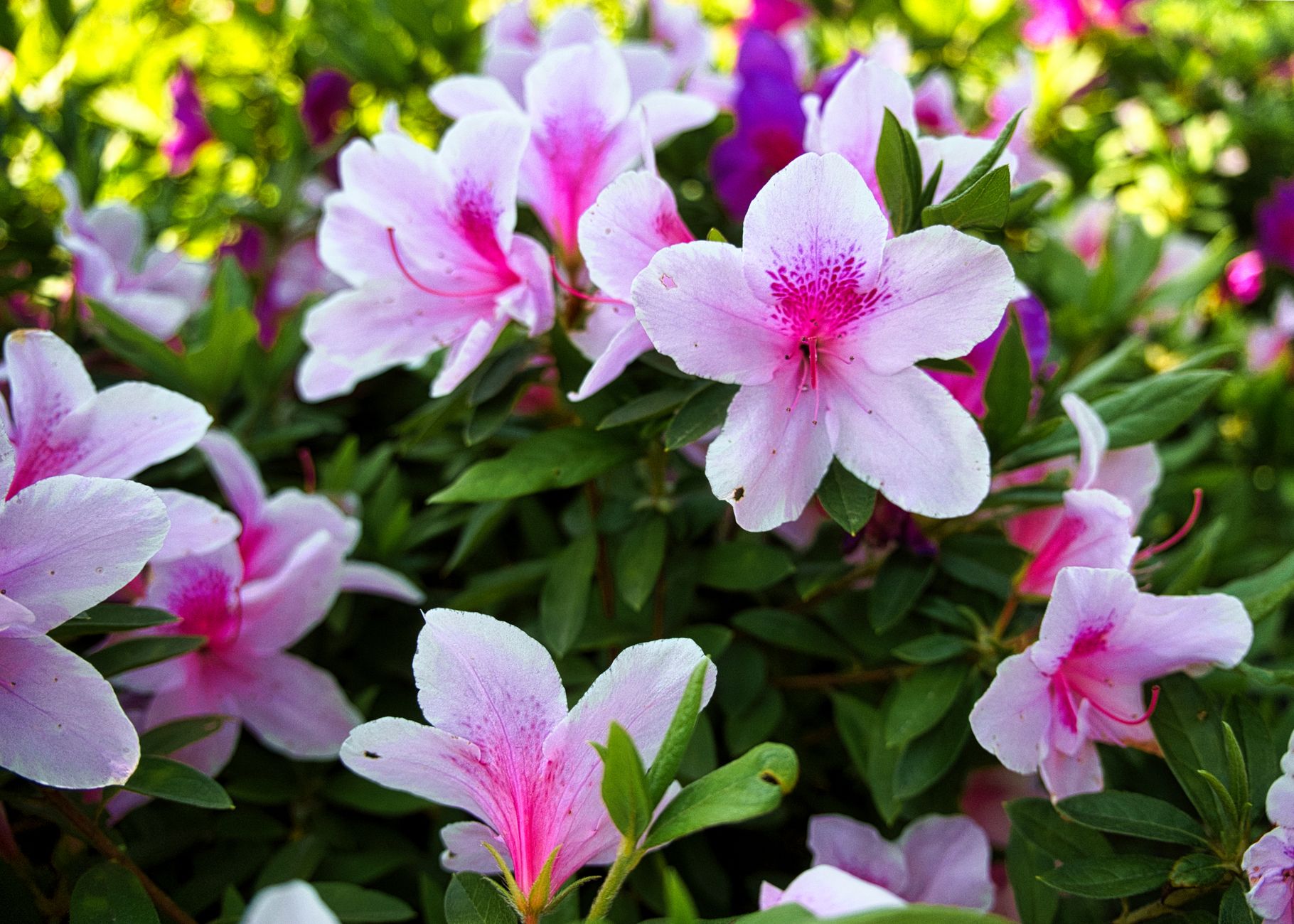
One of my personal favorite houseplants, azaleas, otherwise known as rhododendrons, are known for their incredible spring flowers. These blooms come in many shapes, sizes, and just about every color of the rainbow, making them an absolute treat for the eyes! Like roses, these gorgeous plants enjoy slightly acidic soil, which, luckily for us, coffee ground compost supports well.
It is worth pointing out that this plant typically needs very little fertilizer or added nutrients. Azaleas can, however, benefit from adding coffee compost each spring. Don’t overdo it; these plants can be easily overwhelmed by heavy feeding.
Jade Plant
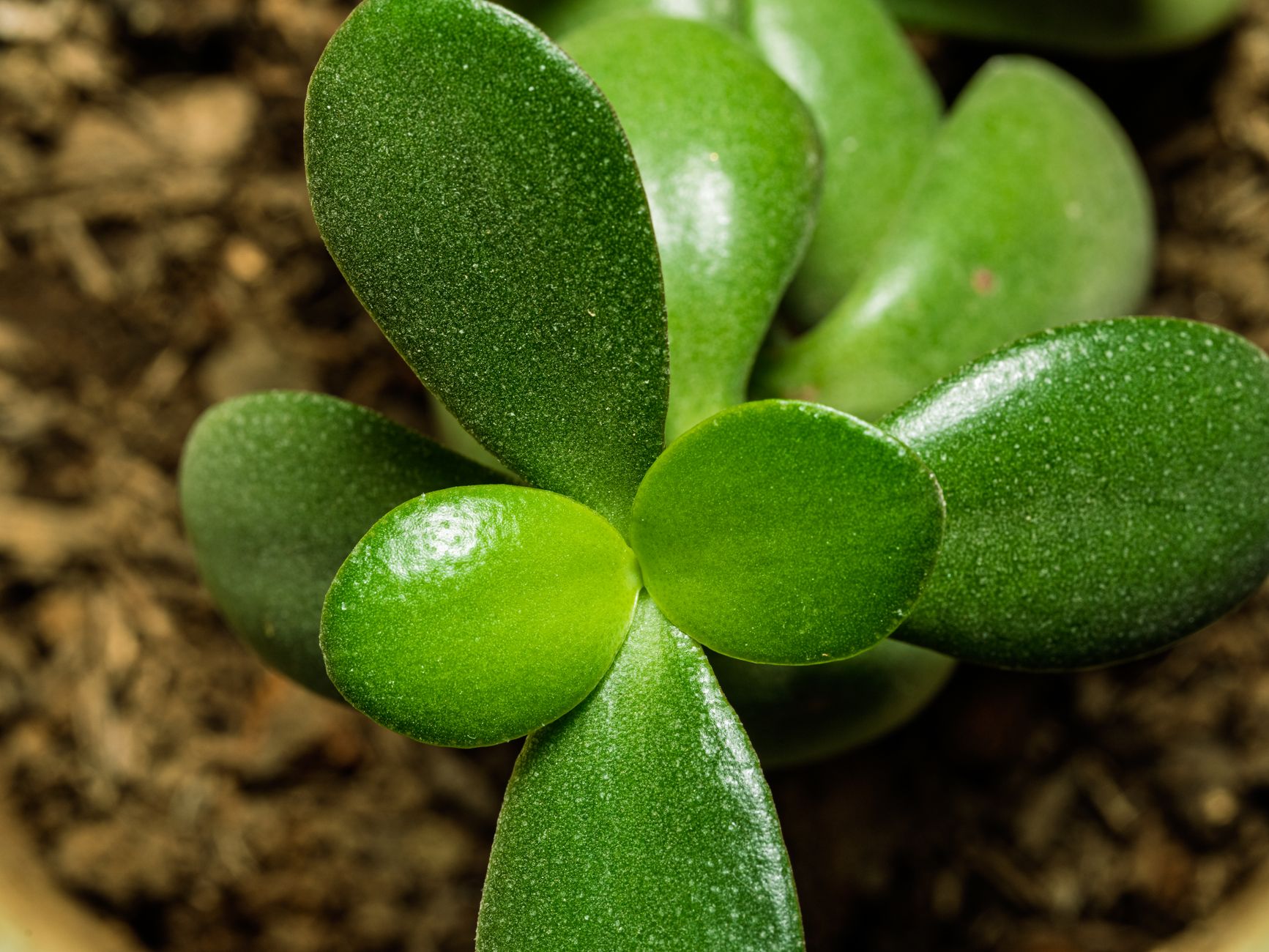
The beautiful Crassula ovata, or jade plant, is a pleasant-looking succulent. It’s known for its plump, teardrop-shaped leaves and a form that becomes almost tree-like over time. Like many plants on this list, it enjoys bright indirect sunlight and is a very beginner-friendly houseplant.
As a succulent, this plant needs little fertilizer and responds best to proper watering. As someone who has over watered their jade plant I can attest that they absolutley hate it, and I have found that they benefit more from a small amount of composted grounds mixed into the soil during repotting than they do from tea. Do this in summer, when the jade plant puts out new growth. It will be more likely to use the nutrients from the compost mixture, and less likely to be stressed by the feeding.
Christmas Cactus
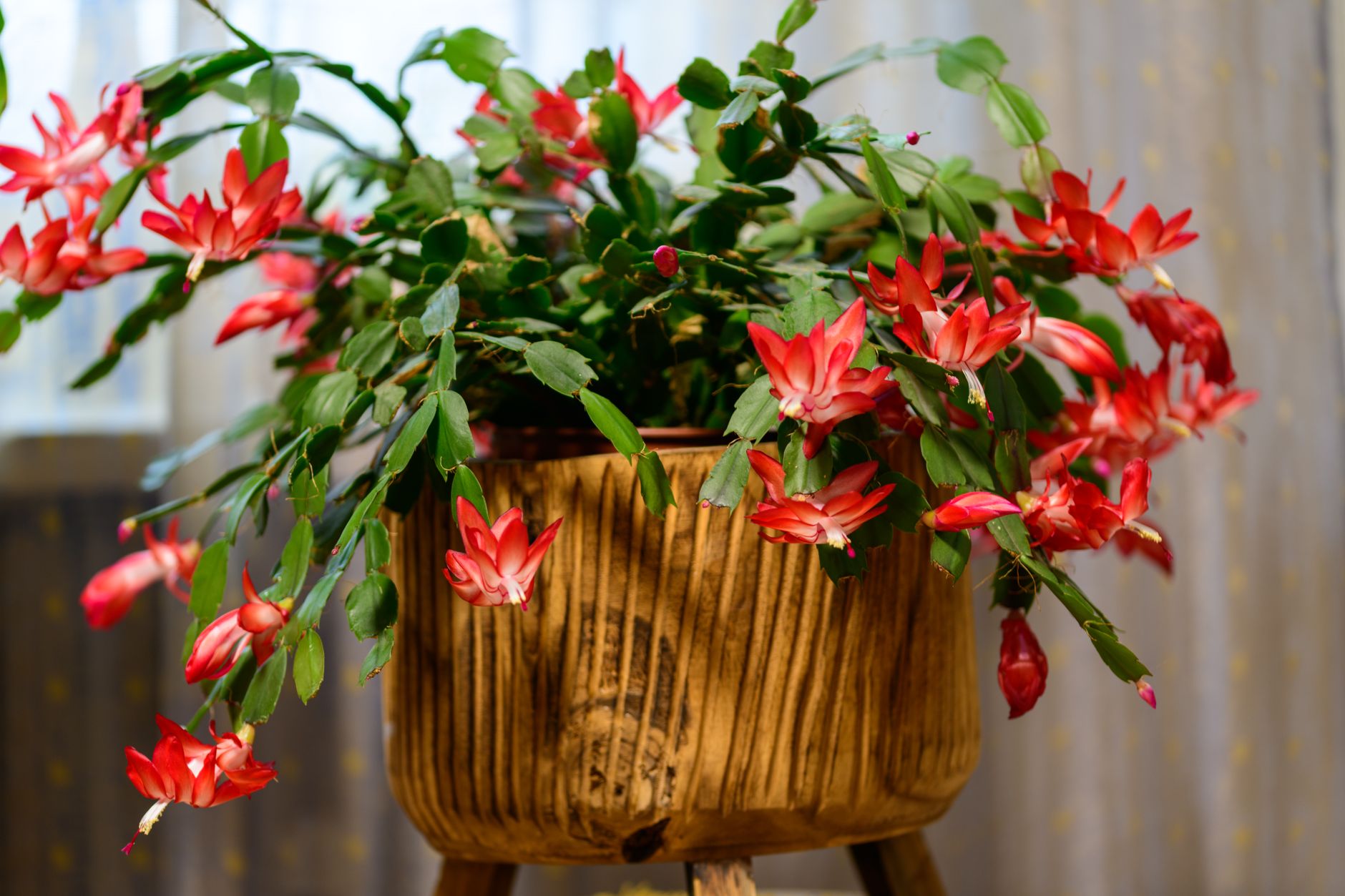
The Christmas cactus is known for being lovely, reasonably small, easy to maintain, happy to stay in a nice bright corner indoors, but above all for its winter blooms! Looking like a basket of feathers, with flowers that resemble a parakeet’s signature mohawk, these unique plants originated in the southern jungles of Brazil and adapted to survive with little soil. They commonly grow off rocks and trees and appreciate the moist, nutritious nature of coffee grounds tea, which can mimic how they once fed on organic matter in the rainforest.
Don’t make the common mistake of assuming the Christmas cactus shouldn’t get coffee grounds like most other cacti. These little guys are particular and benefit from a nice tea every 4-6 weeks from the spring to the end of autumn. Stop in the winter! They won’t be able to use the nutrients during their dormant season.
Snake Plant
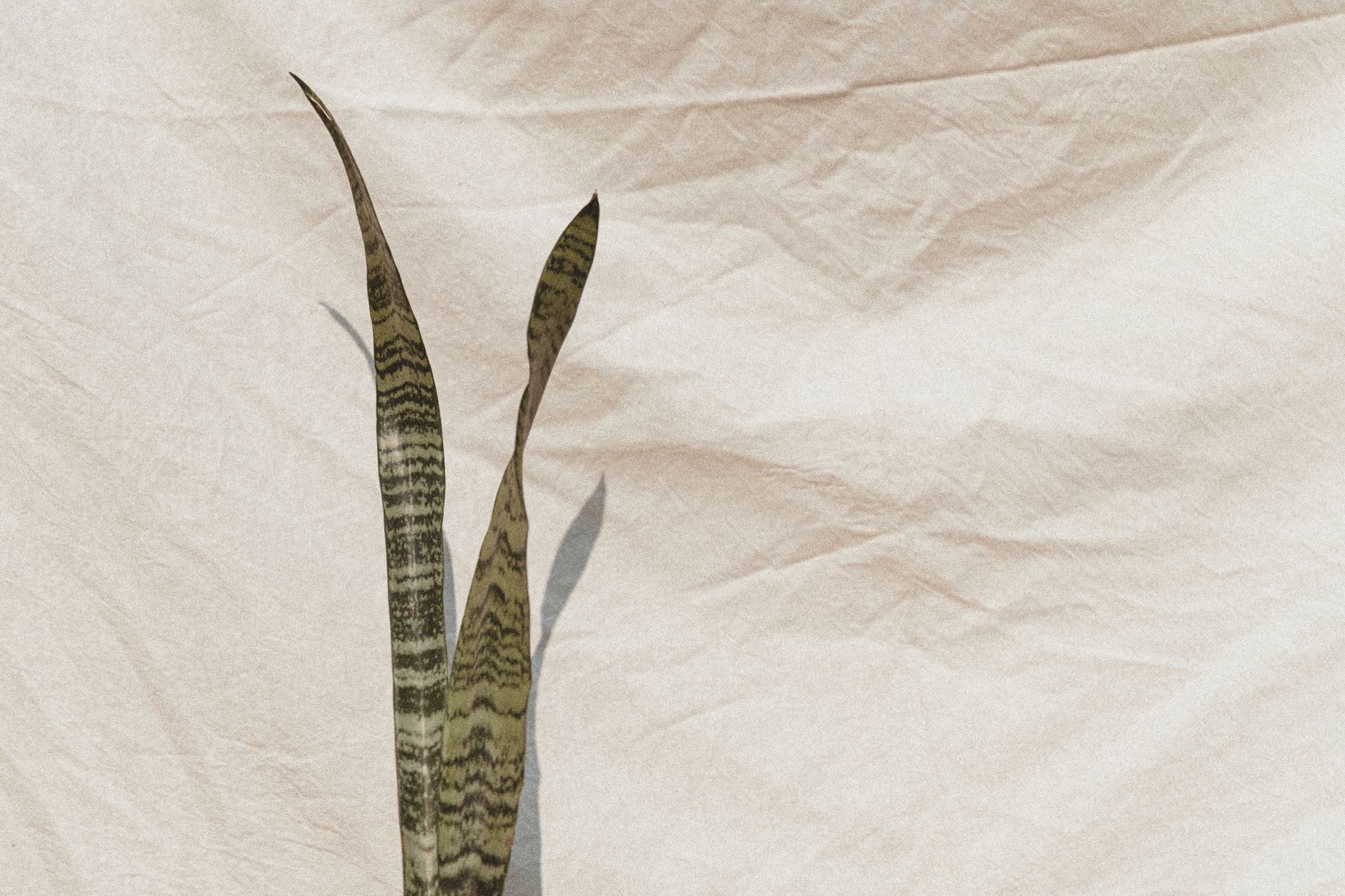
Snake plants are another case where coffee grounds and compost can help, but there’s a lot to consider about how to approach it. These dagger-shaped leaves that jut rebelliously straight upward love the minerals contained in the grounds but are less thrilled by wet soil. Their leaves store water so efficiently that they don’t need or want wet soil, and they’re prone to root rot if left in wet soil for too long.
Only add composted coffee grounds to these houseplants’ soil during repotting. Never add them at any other time, and the grounds you add during repotting should never be wet or fresh. Nobody wants the added humidity or the resulting consequences.
Aloe Vera
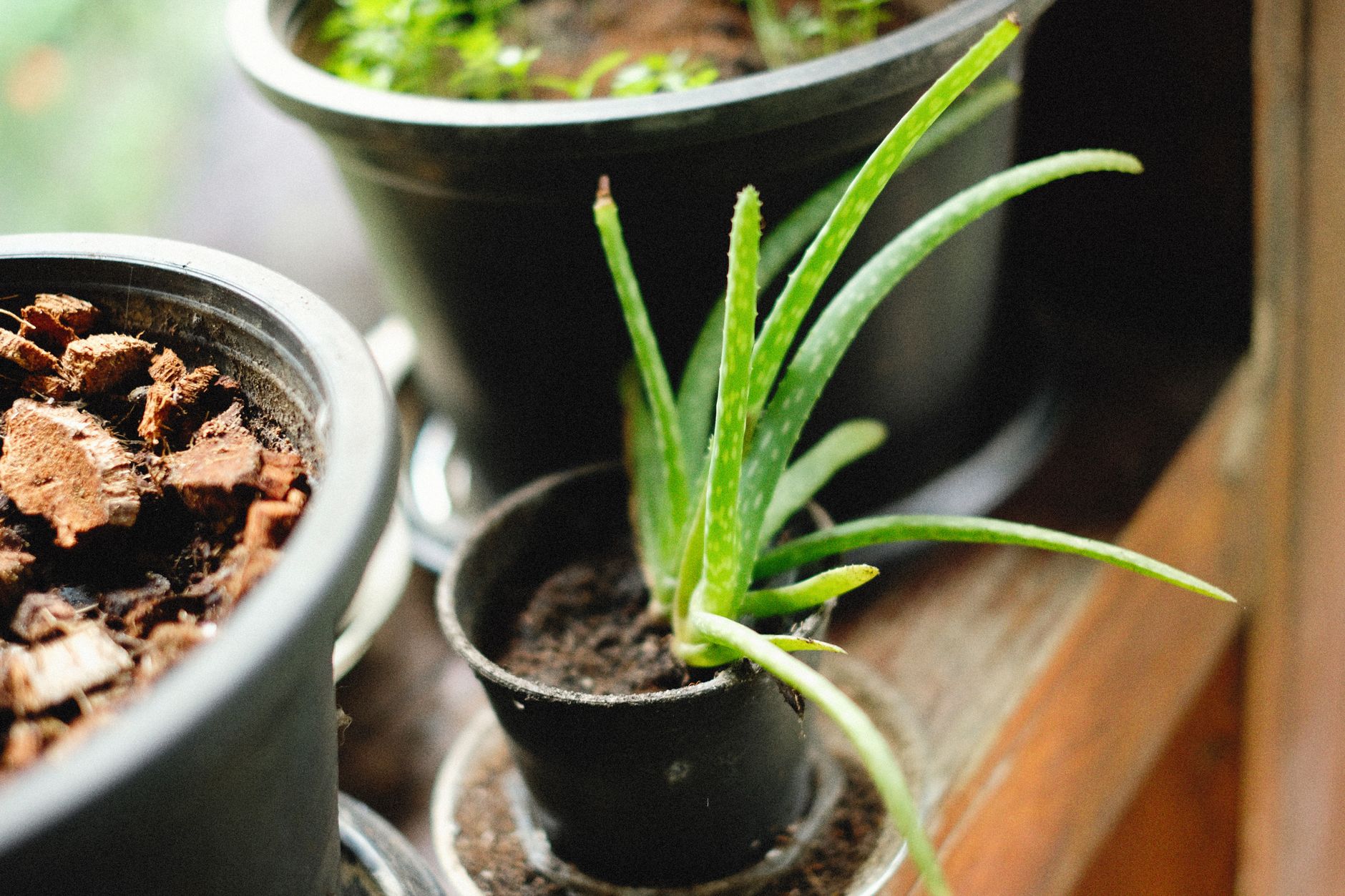
The final houseplant to make our list is the Aloe Vera. Famous for its thorny leaves, which resemble chubby green saws, and the many health benefits of the gooey flesh found within. These impressive succulents are both an antioxidant superfood and a great treatment for sunburns or dry skin due to their moisturizing, soothing nature. Like many other succulents, aloe vera prefers sandy, well-draining soil and enjoys the pH-lowering qualities of coffee ground compost along with slow-release nutrients that are easier for this plant to absorb without risking overfeeding.
What Indoor Plants Should not be Given Coffee Grounds?
Plants that dislike coffee grounds share a few traits, the first of which being the need for fast-drying soil. This means that the majority of cacti and succulents, with the exception of those included in our list of plants benefitted by nutrients in the grounds, the majority of these plants have little to no tolerance or need for this kind of intervention.
This need for fast-drying soil also extends to other houseplants like ZZ plants and fiddle leaf figs, which are at higher risk of root rot or mold due to their delicate anatomy.
Another trait that excludes the use of coffee grounds, composted or otherwise, is the need for more neutral or alkaline soil. This includes plants like lavender or rosemary, which may be burned by the acidity of grounds in their soil, and also prefer a drier, better-draining soil.
Finally, orchids should not be treated with coffee ground compost or teas. These plants have very particular soil needs, generally preferring a chunky bark mix over traditional soil, which can already be too humid for them. Coffee grounds only compound this issue, leading to root rot and suffocation.
Closing Thoughts

Use coffee grounds responsibly and sparingly, especially with houseplants. They are often confined to small pots of soil, which are easily overwatered or overfed. Other houseplants may benefit greatly from periodic feedings with coffee ground products, but do specific research before committing fully to this treatment. Like people and animals, plants have unique and differing needs. When it comes to nutrition, humidity, pH, or soil consistency, take a moment to educate yourself before accidentally feeding your plant something you can’t take back. Save yourself and your houseplants the heartache!