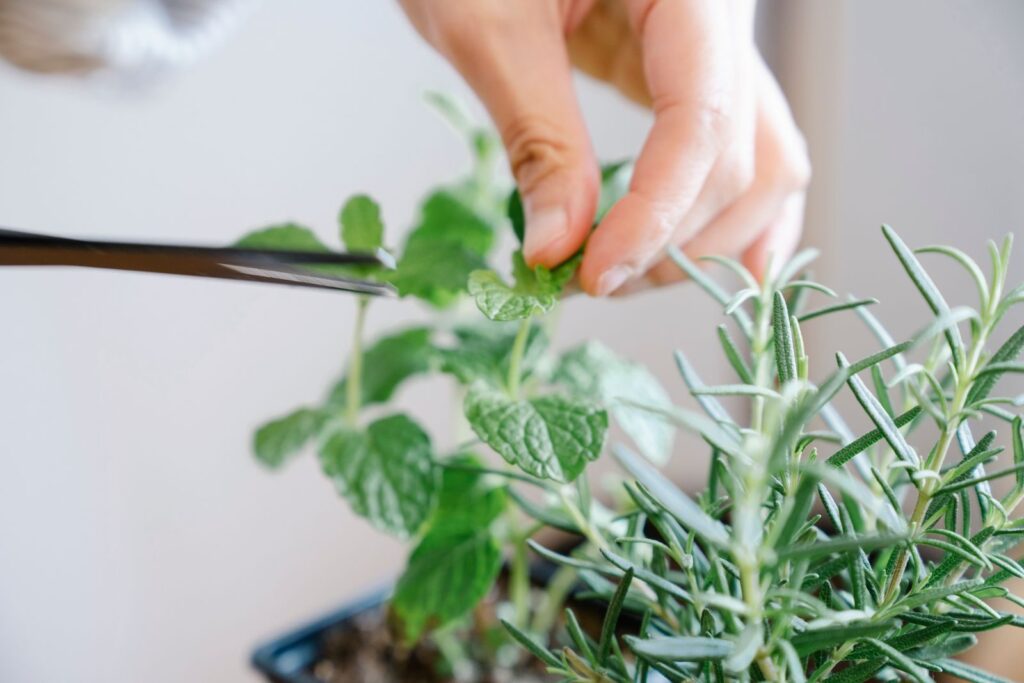
You bring home a beautiful pot of basil in May, and by July it looks like a skinny little tree with a few tired leaves at the top. Or your rosemary, once a tidy mound, has turned into a tangle of bare brown sticks. Sound familiar? You didn’t do anything wrong. You just didn’t cut it enough.
Here’s the honest truth behind the title: these herbs won’t stop growing if you leave them alone. But they will stop growing the way you want them to. Left unpruned, they flower, go woody, sprawl, or turn bitter, and the soft, fragrant leaves you planted them for slowly dry up. A few snips at the right time keep them bushy, flavorful and productive for months (and in some cases, years).
Below are nine common kitchen and garden herbs that really do need regular cutting, with when to prune each one, how much to take off, and the one mistake to avoid.
Why Some Herbs Need a Regular Haircut
Most leafy herbs grow from the tip of each stem. As long as that tip keeps growing, the plant puts its energy into getting taller. When you snip a stem just above a pair of leaves, the plant responds by sending out new shoots from the leaf joints below the cut. One stem becomes two, two become four, and before long you have a full, bushy plant instead of a lanky one.
Pruning also manages flowering. Once many herbs bloom, they shift their energy from leaves to seeds. The University of Minnesota Extension notes that basil allowed to flower and set seed becomes woody, yields considerably less and develops a more bitter flavor. Oregano, mint and chives all benefit from similar timing.
Finally, there are the shrubby herbs: rosemary, sage, thyme and lavender. These build up woody stems over the years. Trim them a little every year and they stay compact and leafy. Skip a few years and they get bare in the middle, and because old wood often won’t sprout new growth, it’s very hard to fix later.
Pruning Basics Before You Start
- Use sharp, clean snips. Kitchen scissors are fine for soft herbs. For woody stems on rosemary, sage or lavender, a small pair of pruners makes a cleaner cut that heals faster.
- Cut just above a pair of leaves. That’s where the new shoots will come from. Leaving a bare stub of stem above the leaves just invites it to die back.
- Take a little, often. A good rule of thumb is to never remove more than about a third of a plant at one time, especially with woody herbs.
- Know your soft herbs from your woody ones. Soft herbs (basil, mint, oregano, lemon balm, chives) bounce back from hard cutting. Woody herbs (rosemary, sage, thyme, lavender) need gentler, regular trims and should never be cut back into bare, leafless wood.
- Harvesting counts as pruning. Every time you snip a few sprigs for dinner the right way, you’re doing the plant a favor.
9 Herbs That Need Regular Pruning
They’re grouped loosely from the soft, fast-growing herbs to the woody ones that need a lighter hand.
1. Basil
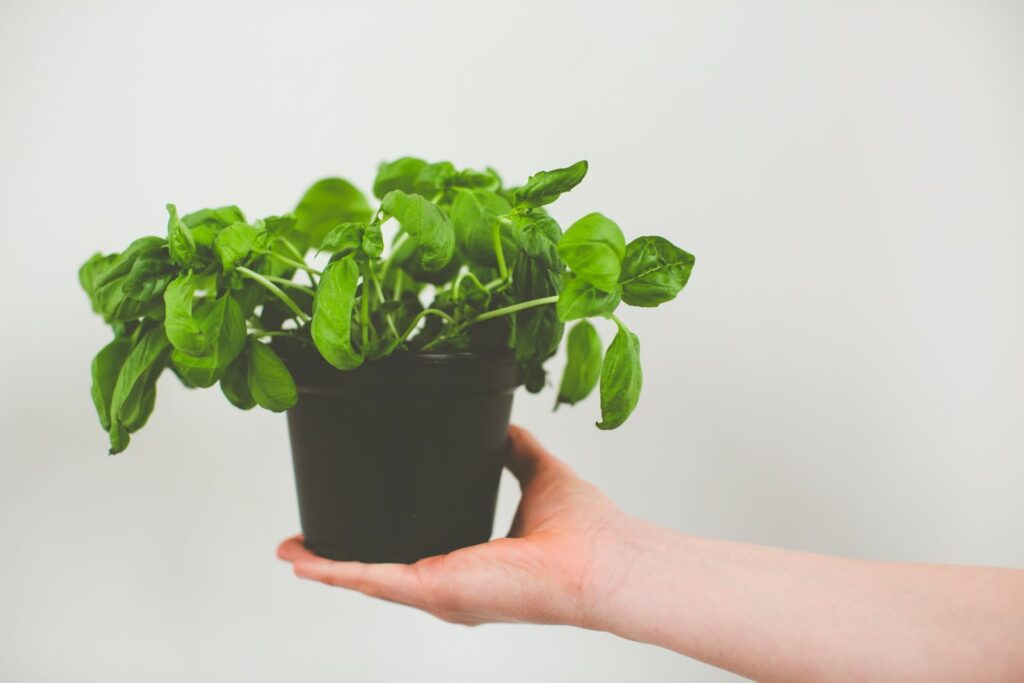
At a glance: Sweet basil (Ocimum basilicum). Tender annual in most of the U.S. (perennial only in frost-free zone 10 and warmer), full sun, prune all summer long.
Basil is the herb most people lose to neglect. Left alone, it grows tall with a single main stem and quickly heads into flower. The University of Minnesota Extension recommends pruning basil periodically through the growing season to keep it producing tender leaves, and the Royal Horticultural Society (RHS) suggests removing flower stems as soon as you spot them to keep leaf quality up for as long as possible.
How to prune it: Once your plant has several sets of leaves, snip off the top of each main stem just above a pair of leaves. According to the University of Minnesota Extension, new growth appears at the cut point within about a week. Keep harvesting from the top this way, never just plucking big leaves from the bottom, and pinch off any flower buds the moment they show up.
The mistake to avoid: Picking only the large lower leaves. It feels gentle, but it leaves the growing tips in charge and gives you a tall, bare stem. Cut from the top instead.
A tip for grocery-store basil: those pots usually hold many crowded seedlings. The RHS notes they tend to flower quickly or rot, but they may keep going if you divide them into a few smaller clumps and repot them promptly.
2. Mint
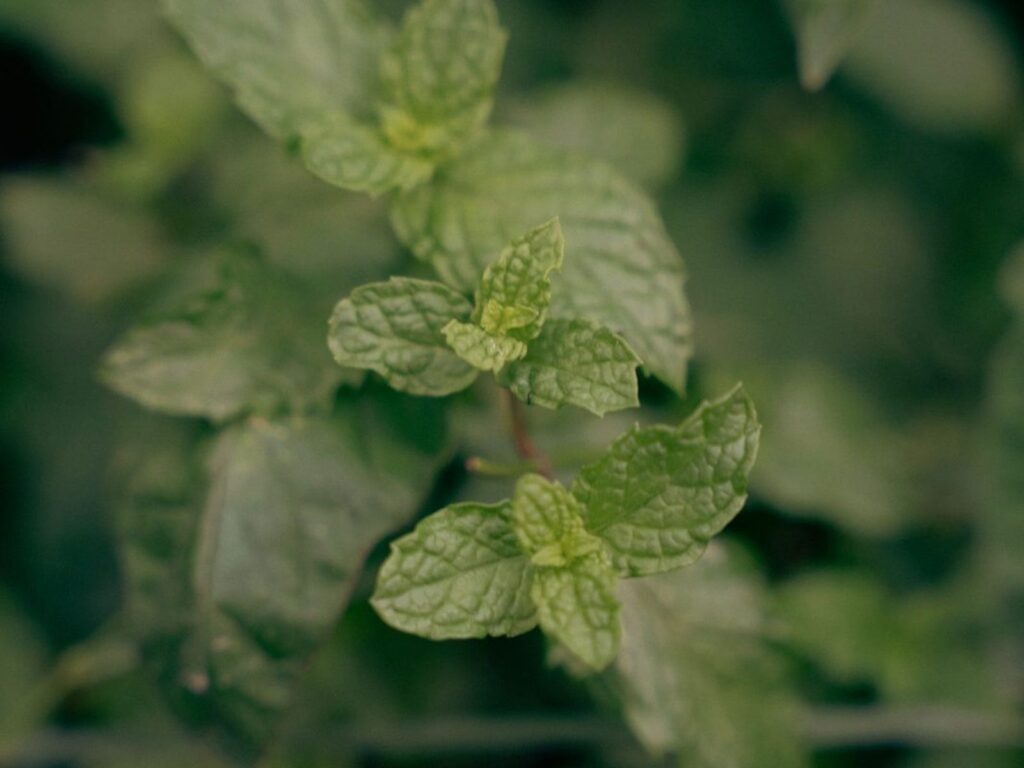
At a glance: Spearmint (Mentha spicata) and peppermint (Mentha × piperita). Hardy perennial, zones 4–9 for spearmint and 5–9 for peppermint, full sun to part shade, prune throughout the season and hard after flowering.
Mint never has trouble growing. The trouble is that it grows tall, flops over, flowers, and gets tough and less flavorful. The RHS recommends picking the young shoot tips regularly to keep plants bushy and compact. As they put it, the more you pick, the more mint you get.
How to prune it: Snip stems just above a pair of leaves all season long. When the plant finishes flowering, be bold: the RHS advises cutting the whole plant down to about 2 inches from the base, which triggers a flush of fresh, tasty shoots you can start harvesting within a few weeks.
The mistake to avoid: Planting it straight into a garden bed. Mint spreads by underground runners, and the University of Minnesota Extension warns that hardy mints can spread aggressively. Grow it in a pot (or a bottomless bucket sunk into the soil), and divide and repot it every few years so it doesn’t get root-bound.
3. Oregano
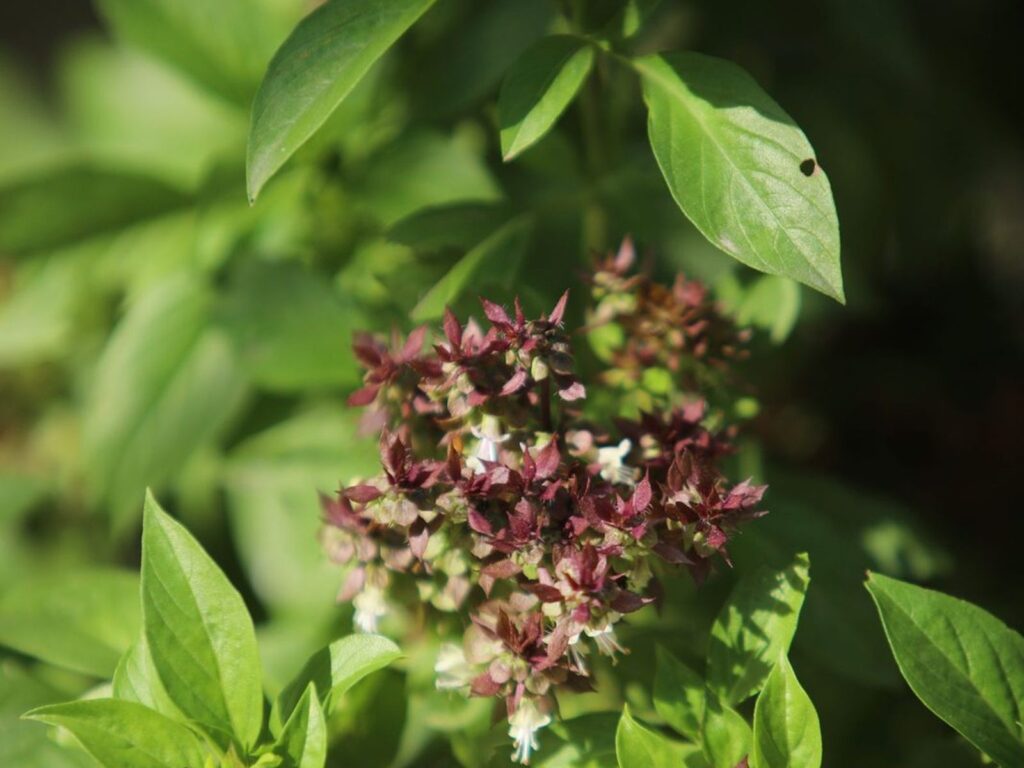
At a glance: Oregano (Origanum vulgare). Hardy perennial, zones 4–8, full sun, shear before flowering and again as needed.
Oregano starts out as a neat, low mound and then sends up long, wiry flower stems by midsummer. Those stems are pretty and loved by bees, but they’re tough and have few useful leaves. NC State Extension describes oregano as woody and branching, and recommends shearing plants back regularly before flowering to encourage new leaves and keep the plant tidy. They also note the leaves have their best flavor just before the plant blooms, so that’s a perfect time to harvest a big batch for drying.
How to prune it: When the plant is full and leafy in early summer, cut the stems back by about a third to half, just above a set of leaves. Dry what you cut. If it flowers later anyway, let the bees enjoy it, then trim off the spent flower stems.
The mistake to avoid: Harvesting a sprig here and there and never giving it a proper trim. You’ll end up with a sprawling plant that’s mostly stems.
4. Lemon Balm
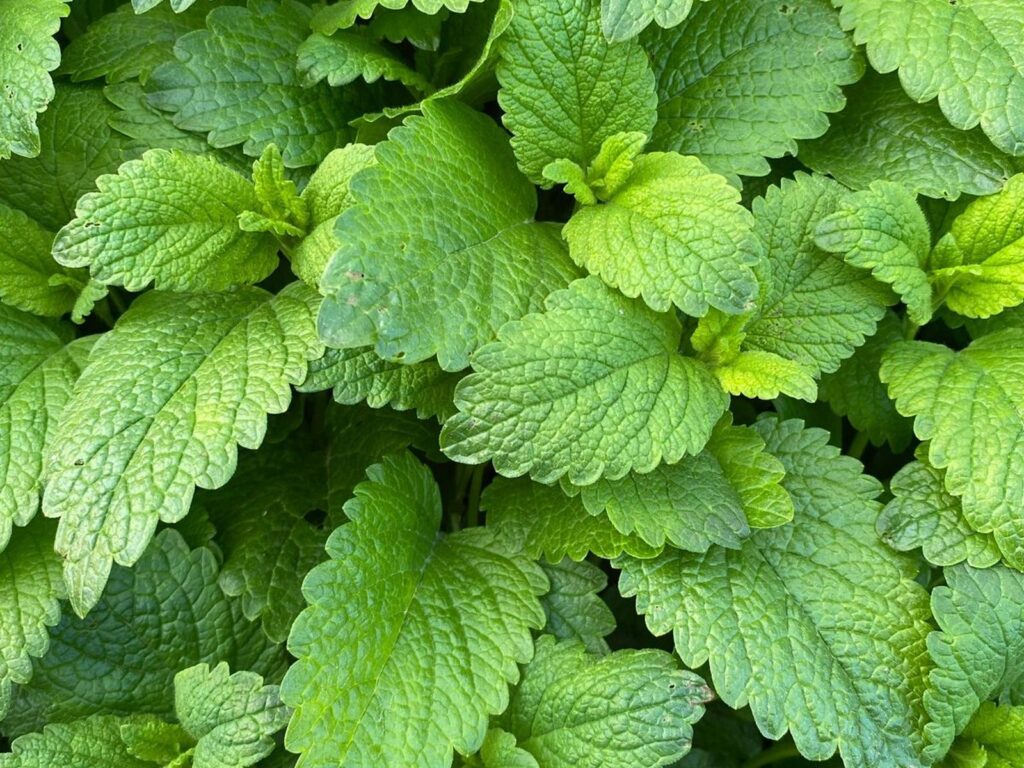
At a glance: Lemon balm (Melissa officinalis). Hardy perennial, zones 3–7, full sun to part shade, cut back after flowering.
Lemon balm is a cousin of mint, and it behaves like one. NC State Extension notes that it self-seeds and spreads aggressively by underground runners, so it’s best grown in a container. Its stems can become somewhat woody with age, and NC State points out that new leaves are more flavorful than mature ones. That’s a strong argument for cutting it back regularly to keep fresh growth coming.
How to prune it: Harvest the top few inches of stems often for tea. When the tiny white flowers appear in summer, cut the plant back by about half, removing the spent flower stalks as NC State suggests. Fresh leaves will follow.
The mistake to avoid: Letting it go to seed. If the flowers are left to ripen, you’ll find lemon balm seedlings popping up all over the garden next spring.
5. Chives
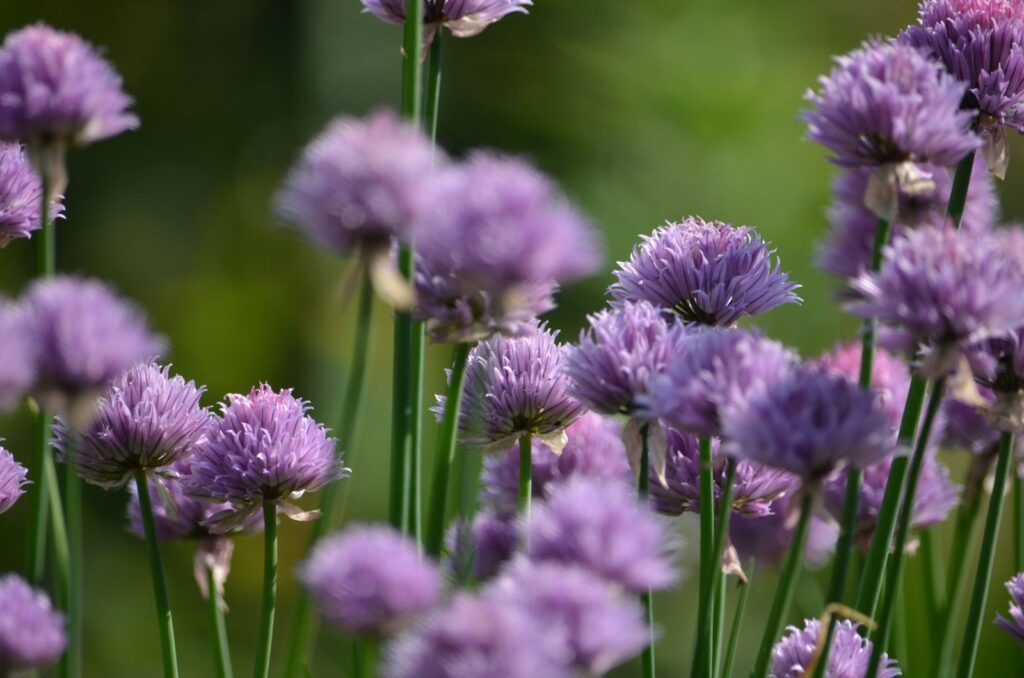
At a glance: Chives (Allium schoenoprasum). Hardy perennial, zones 4–8, full sun to light shade, cut all season and remove flower stalks after blooming.
Chives are tough, but an unpruned clump fills up with old, yellowing leaves and stiff flower stalks that are no fun to chop into your eggs. The RHS recommends harvesting leaves regularly to encourage more, cutting back old leaves, and snipping out the tough flower stalks right at the base after flowering to keep plants tidy and stop them from self-seeding.
How to prune it: Snip leaves just above the base with scissors rather than trimming the tips, and pull out any faded leaves at the same time. Enjoy the purple pompom flowers (they’re edible and lovely in salads), then cut each flower stem at the base once it fades.
The mistake to avoid: Giving chives a “haircut” across the top. That leaves blunt, browning tips. Cut whole leaves near the base instead. Every three or four years, the RHS suggests lifting and dividing the clump to keep it vigorous.
6. Sage
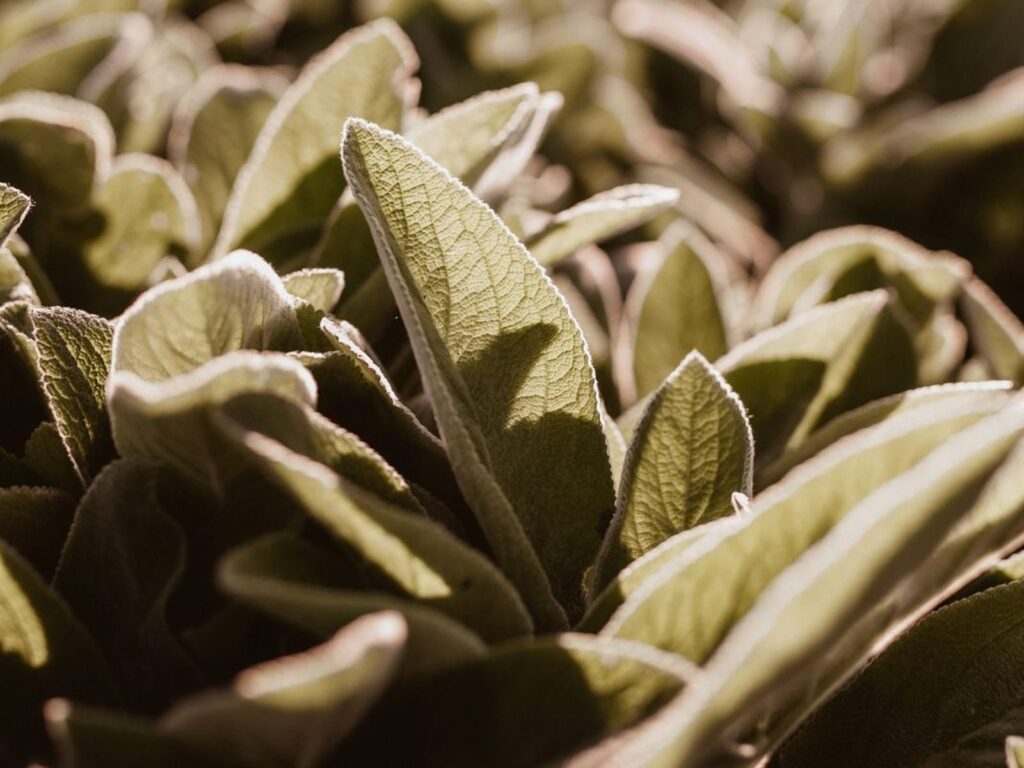
At a glance: Common sage (Salvia officinalis). Evergreen subshrub, zones 4–8, full sun and well-drained soil, prune in mid- to late spring.
Sage is where pruning shifts from “cut it often” to “trim it every year, gently.” The RHS recommends lightly pruning established sage every year in mid- to late spring to keep it compact and encourage fresh leaves. If left unpruned, older plants become straggly and sprawling with a bare center.
How to prune it: Wait until you see new growth in spring, then trim each stem back to just above a spot where fresh leaves are sprouting, shaping the plant into a neat mound. In late summer, trim off the faded flower stems.
The mistake to avoid: Cutting into bare, leafless wood. The RHS warns that older stems may not resprout. Sage also tends to get woody and tired after six or seven years even with good care, so it’s smart to root a few cuttings as replacements before your plant gets old.
7. Thyme
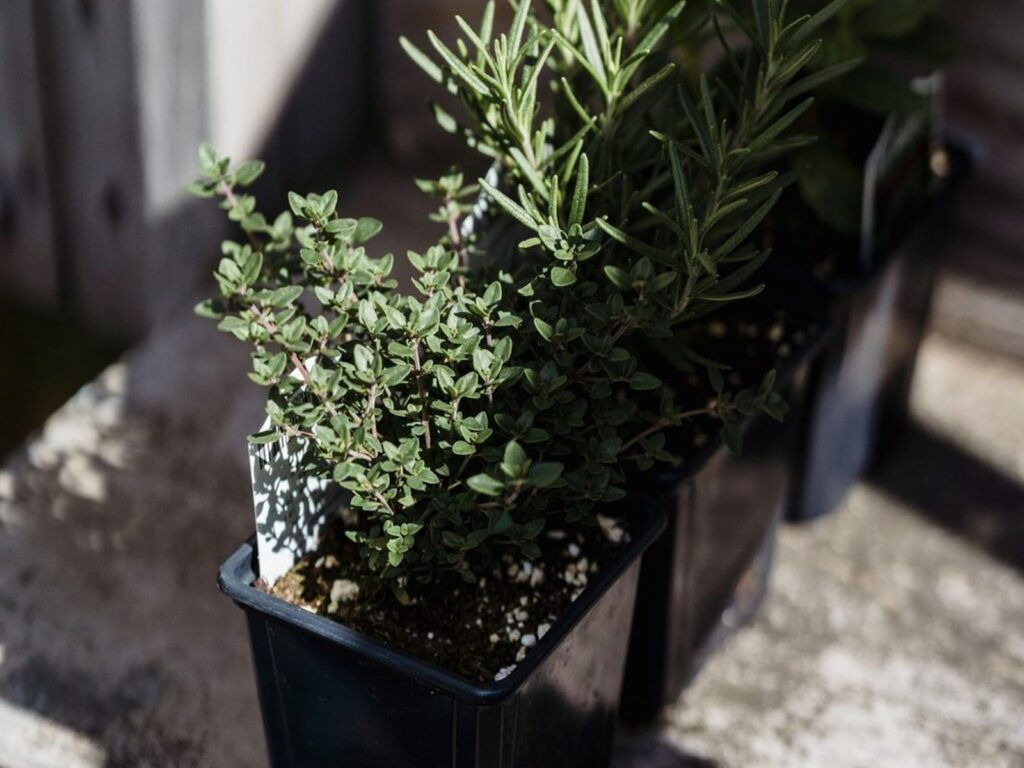
At a glance: Common thyme (Thymus vulgaris). Evergreen subshrub, zones 5–9, full sun and sharp drainage, trim in spring and/or after flowering.
Thyme is small, but it follows the same pattern as sage: a woody base with soft, leafy tips. The RHS recommends lightly trimming upright, shrubby thymes in mid- to late spring and/or soon after flowering to keep them compact and bushy. Unpruned plants get straggly, and regular harvesting helps keep them full.
How to prune it: After the little flowers fade, use scissors to shear the whole plant lightly, staying within the green, leafy part of the stems. Creeping thymes used as ground cover need even less: just a light trim to remove the spent flowers.
The mistake to avoid: A hard cutback into old wood. The RHS cautions that stems may not reshoot. If an old thyme plant is mostly bare sticks, it’s usually easier to replace it.
8. Rosemary
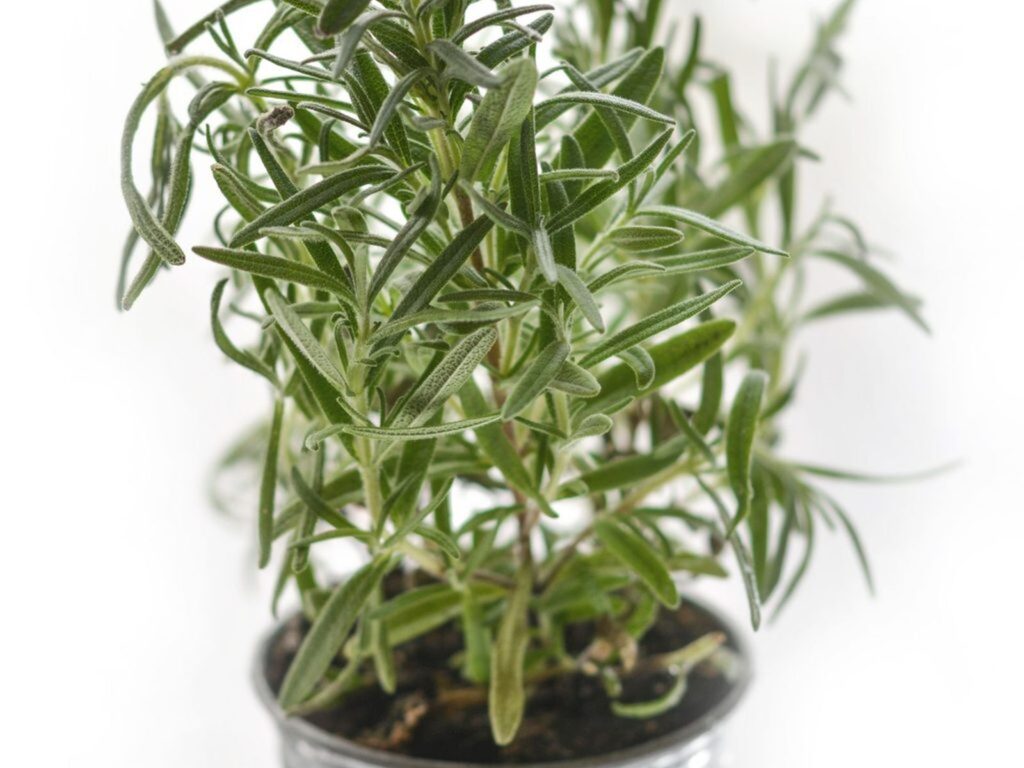
At a glance: Rosemary (Salvia rosmarinus, formerly Rosmarinus officinalis). Evergreen shrub, zones 8–10 (grow it in a pot and bring it indoors for winter in colder areas), full sun, prune once a year after flowering.
Rosemary is the classic example of a herb that looks great for a couple of years and then suddenly doesn’t. The RHS recommends a light trim every year after the flowers fade to keep plants compact and full of fresh foliage. Left unpruned, rosemary becomes leggy, woody and bare at the base.
How to prune it: After its spring bloom, shorten each branch by a few inches, cutting just above a cluster of leaves. Keep the overall shape in mind and work around the whole plant. Harvesting sprigs through the year helps too, as long as you take them from different parts of the plant instead of stripping one branch.
The mistake to avoid: Waiting until it’s overgrown and then cutting it back hard. The RHS notes that rosemary usually doesn’t recover from heavy pruning, so avoid cutting into old wood. Even with good care, they suggest replacing plants every seven or eight years.
9. Lavender
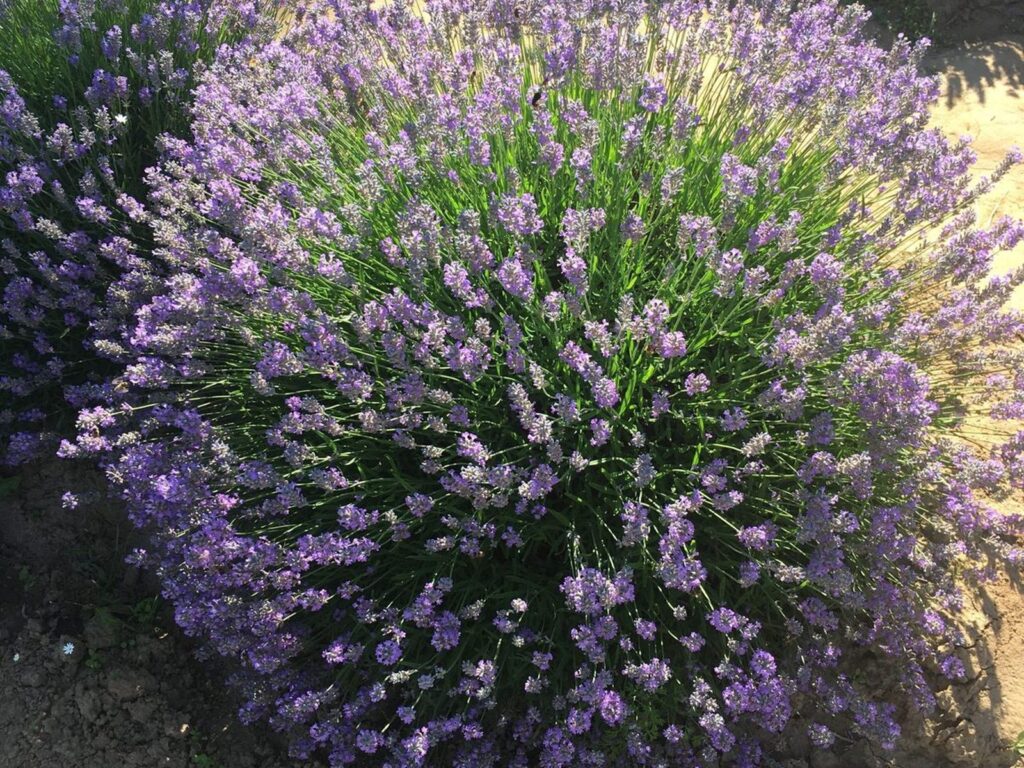
At a glance: English lavender (Lavandula angustifolia). Evergreen shrub, zones 5–9, full sun and free-draining soil, prune every year right after flowering.
Lavender is the herb gardeners most often regret not pruning. Without a yearly trim, the RHS says it becomes woody and ungainly. A neglected plant splits open in the middle and flowers only at the ends of long, bare stems.
How to prune it: The RHS recommends trimming lavender every year in late summer, just after flowering finishes. Remove the spent flower stalks plus about an inch of leafy growth, so the plant keeps a rounded, compact shape. You can also lightly tidy it in spring if winter left it ragged.
The mistake to avoid: Cutting into the woody base, which rarely regrows. Always leave some green leaves on every stem. Like rosemary, older lavender plants eventually get straggly even with good care, and the RHS suggests simply replacing them when they do.
A Simple Herb Pruning Calendar
| Herb | When to prune | How much |
|---|---|---|
| Basil | All summer; pinch flower buds right away | Top of each stem, above a leaf pair |
| Mint | All season; hard cut after flowering | Down to about 2 inches after bloom |
| Oregano | Early summer, before flowering | About a third to half |
| Lemon balm | All season; cut back after flowering | About half after bloom |
| Chives | All season; flower stalks after bloom | Whole leaves, near the base |
| Sage | Mid- to late spring; flower stems in late summer | Light trim, stay in leafy growth |
| Thyme | Spring and/or after flowering | Light shear, stay in leafy growth |
| Rosemary | Once a year, after flowering | A few inches, never into old wood |
| Lavender | Late summer, right after flowering | Spent stalks plus about 1 inch of leaves |
Your Next Steps
Head out to your herbs this week with a pair of clean scissors. Start with the easy wins: pinch the tops off your basil, snip any flower buds, and give your mint a trim. Then make a note on your calendar for the woody herbs: sage and thyme in spring, rosemary after it blooms, and lavender in late summer. And if you have an old, bare-centered rosemary, sage or lavender, don’t fight it. Take a few cuttings this season, root them, and start fresh next year. Your future self (and your dinner) will thank you.
Sources and Further Reading
- University of Minnesota Extension: Growing basil
- University of Minnesota Extension: Growing herbs
- NC State Extension Gardener Plant Toolbox (hardiness zones for each herb)
- NC State Extension: Oregano
- NC State Extension: Lemon balm
- Royal Horticultural Society: How to grow basil
- Royal Horticultural Society: How to grow mint
- Royal Horticultural Society: How to grow chives
- Royal Horticultural Society: How to grow sage
- Royal Horticultural Society: How to grow thyme
- Royal Horticultural Society: How to grow rosemary
- Royal Horticultural Society: Lavender growing guide
- USDA Plant Hardiness Zone Map
Featured photo: Felicity Tai / Pexels (Pexels License)